


%20copy.jpg)

%402x.svg)
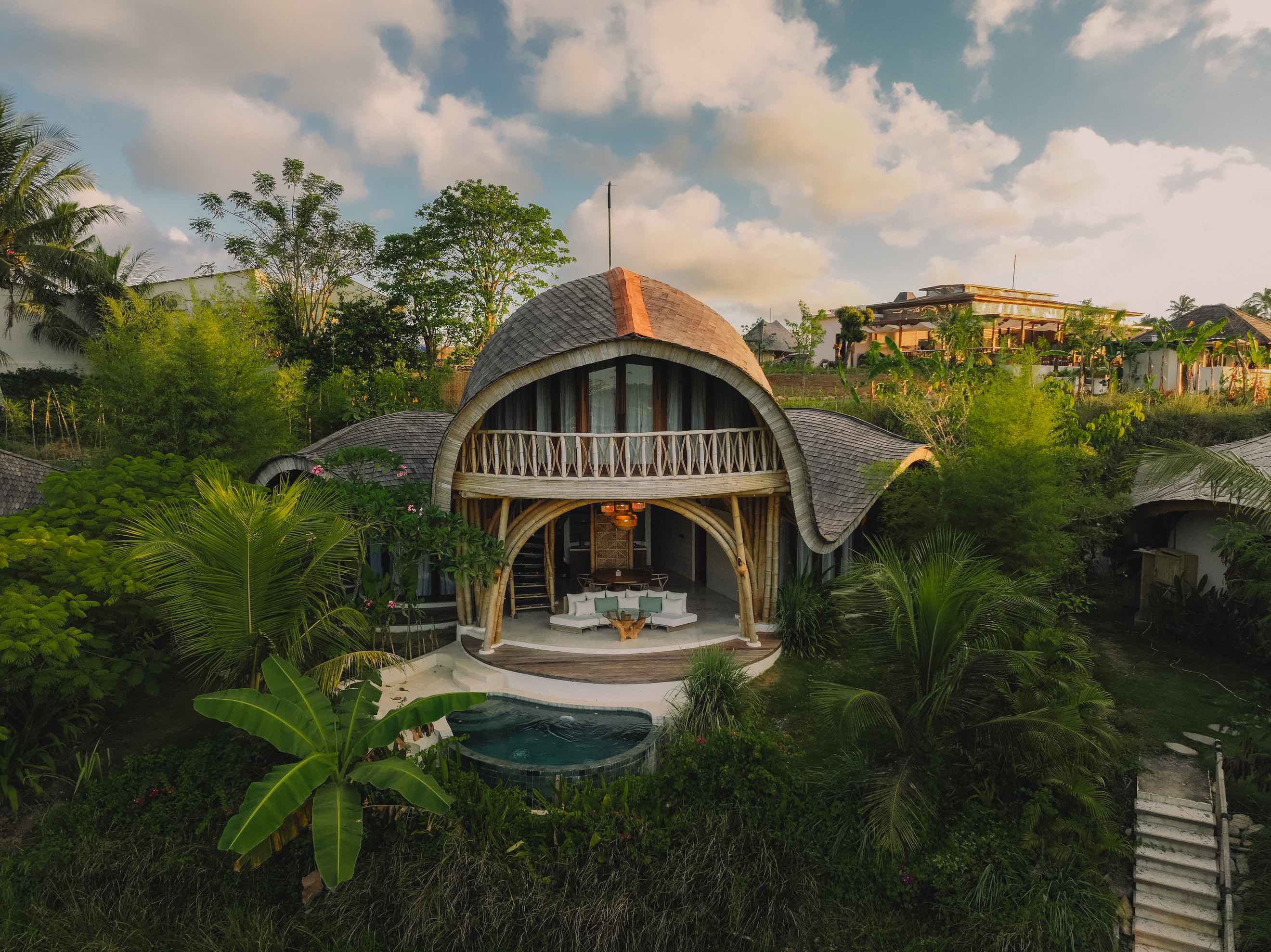
Bamboo is an incredible resource, a ‘gift from the gods’ as Oscar López put it. In recent years, Indonesia has witnessed a promising resurgence in bamboo construction, driven by its potential to address pressing environmental and social challenges. Notably, the 1000 Bamboo Villages initiative led by Arief Rabik aims to cultivate bamboo-based economies across the archipelago, targeting an estimated annual reduction of over 100 million tons of CO2 emissions (UNEP, 2022). Bamboos increasing popularity can also be seen across the eco tourism and hospitality industry, as more architectural practices and contractors specialise in the construction of bamboo, and projects such a Mandala showcase the potential of this material. The global bamboo market, which was estimated at $71.6 billion in 2023, is expected to grow to $92.62 billion by 2027 (Manila Bulletin, 2024).
The rapid economic growth of the bamboo industry is bolstered by technological advancements. The recent release of ISO 7567:2024, addressing Glued laminated bamboo, reinforces bamboo's ecological and structural value. Bamboo is commonly used in structural elements, for both small- and large-scale construction, as well as in furniture, flooring, and roof coverings, showcased throughout the construction of Mandala Eco-Resort. Beyond construction, bamboo supports industries such as textiles, medicines, biofuels, charcoal and handicraft products such as mats, basketry, paper, etc (Scurlock et al., 2000). Past estimates stated bamboo provides a raw material for about 1,500 known commercial products (Piazza et al, 2007). Through ecological, social and economic impact, bamboo has been shown by numerous studies to address at least 10 of the UN Sustainable Development Goals (Rani, et al, 2024).
Bamboos Material Properties:
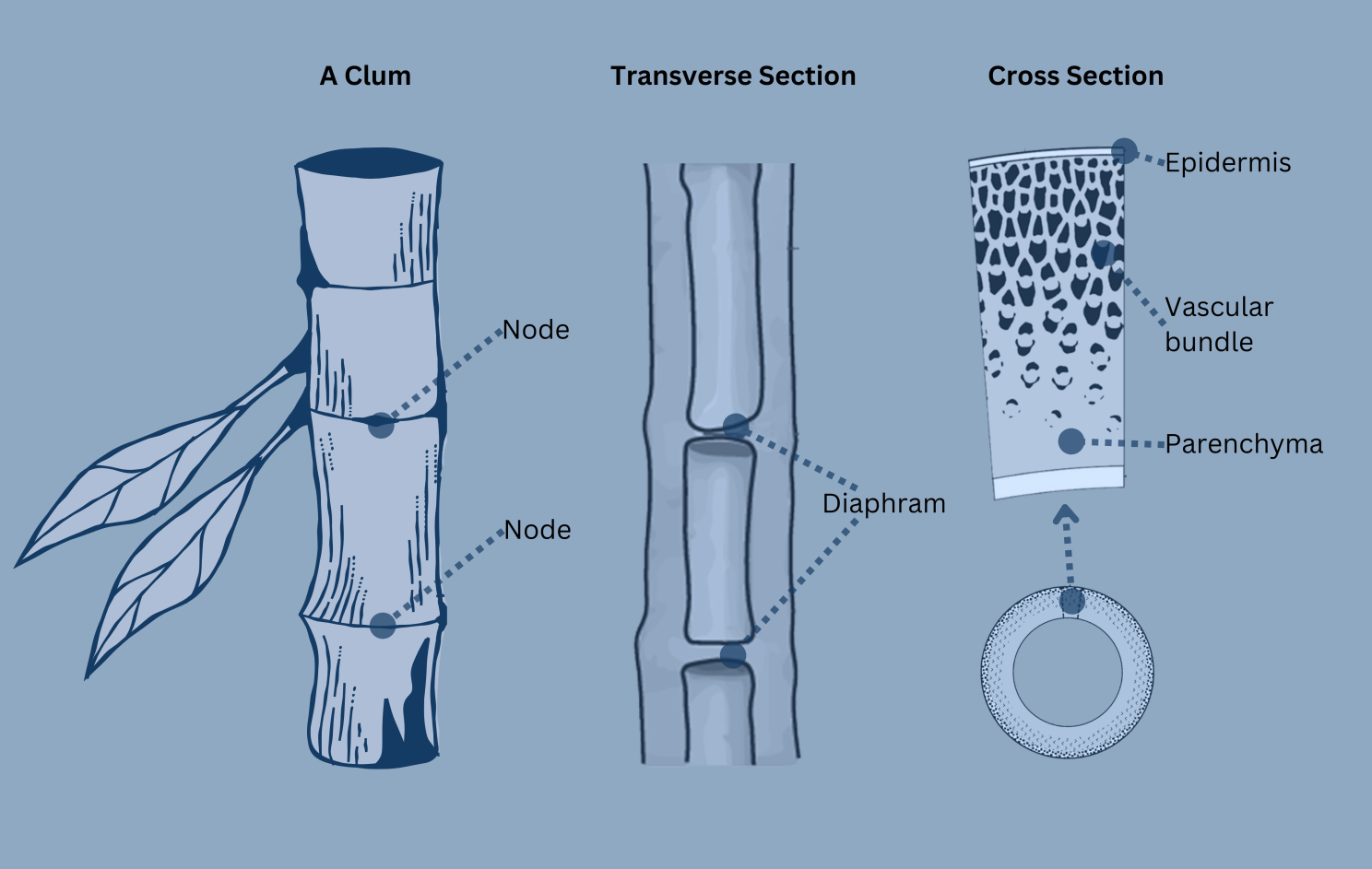
Bamboo in its natural culm form is a light material that is comparable in strength to steel in tension and concrete in compression (House Of Bamboo, n.d.). Bamboo is made up of two key components, parenchyma and vascular bundles. It has been referred to as a natural composite, and compared to man-made composite materials such as carbon fiber and resin, or rebar and concrete.
Bamboo’s natural strength is found in the longitudinal direction, vascular bundles within the poles, composed of cellulose fibers, run longitudinally to transport nutrients and offer exceptional strength-to-weight properties—outperforming steel in this ratio (House Of Bamboo, n.d.). These fibers intertwine at the nodes to form diaphragms, acting as internal braces. Surrounding parenchyma tissue holds these elements together, with lignin a complex organic polymer which solidifies as the bamboo matures (Sharma et al, 2015). This composite structure makes bamboo both flexible and lightweight, making it highly resilient to seismic activity, which is a concern in Lombok’s tectonically active zone (Bamboo U, 2024).
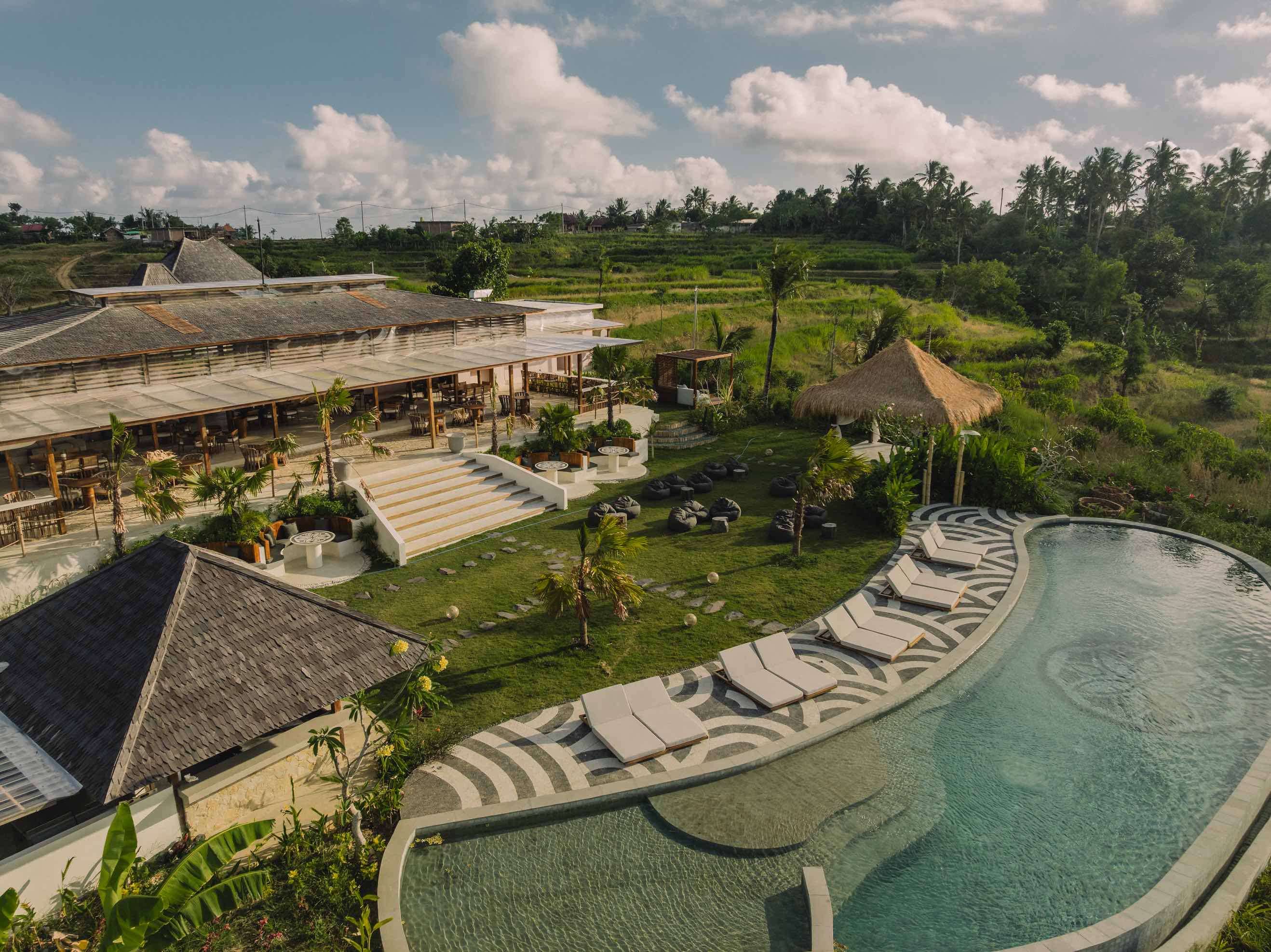
In addition to suitable application in earthquake prone areas, thermal comfort is necessary to consider when designing in a climate similar to Lombok with average temperatures of 25–30°C year-round, passive cooling strategies and proper ventilation are critical for comfort in our villas. “The thermal properties of materials, including conductivity and capacitance, control their environmental performance and thus the energy performance of the fabric, governing heating and cooling of buildings constructed from them. In turn this has a major effect on the carbon emission during the lifetime use of this building”(Shah et al, 2015). Compared to dense materials like concrete or brick, bamboo has a low thermal mass, meaning it does not absorb and store significant amounts of heat when exposed to sunlight, especially when combined with shading techniques such as overhangs or vegetation. Here at Mandala our bamboo villas incorporate open layouts, taking advantage of bamboo’s strength and lightweight properties to create breathable, airy structures. This helps enhance passive ventilation. Mandala’s elevated position with incredible ocean views is no accident, the village benefits from the cooling effects of a consistent sea breeze, a localized wind driven by temperature and pressure gradients between land and sea.
Bamboos Environmental impact
As one of the fastest-growing plants on Earth, bamboo can be harvested within 3-5 years, compared to 10-30 years for commercial hardwoods (Gratani et al., 2008). Unlike traditional timber harvesting, which sacrifices entire trees, bamboo allows for selective harvesting of culms, enabling continuous regeneration as there's no damage to the plant. Bamboo extracts CO2 (Carbon Dioxide) from the atmosphere much like other trees, with the process of photosynthesis, known as carbon sequestration. In its final construction material form, bamboo has been proven to have a lower embodied carbon; meaning the sum of all carbon released by the processes associated with the material is less than the embodied carbon from steel, bricks or concrete commonly used in Lombok (House Of Bamboo, n.d.). The biggest contributors to emissions related to the construction industry come from steel and cement fabrication. Producing steel and cement are energy-intensive processes, relying heavily on fossil fuels; this is especially true in Southeast Asia, which often uses outdated technology (UNIDO, 2022).
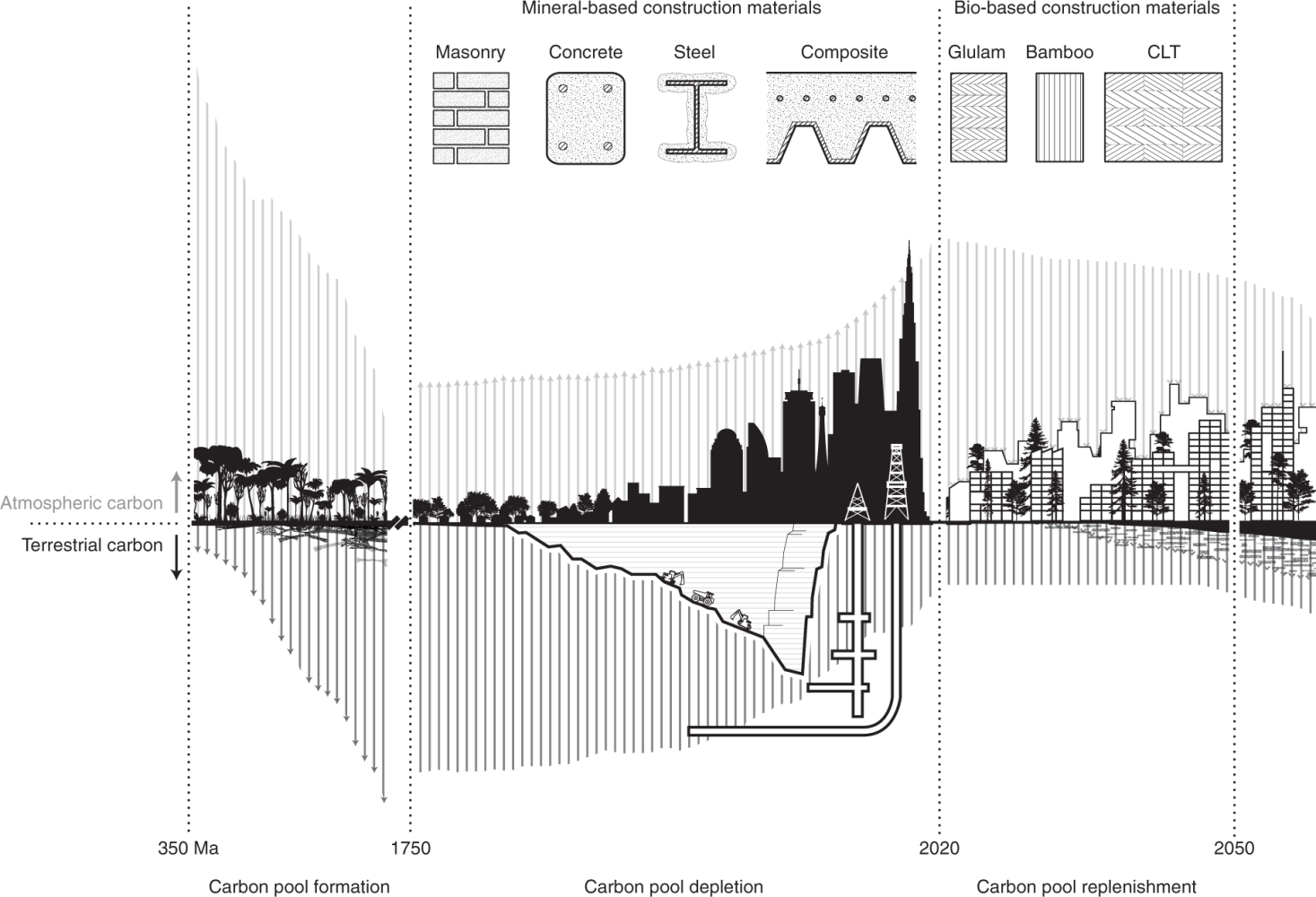
Beyond Carbon sequestration growing bamboo benefits its environment in a multiple of ways such as restoration of degraded land, flood and erosion control and water retention (Mishra et al. 2014; Paudyal et al. 2022). 80% of bamboos roots can be found in the upper 0-30 cm soil and form a closely woven mat (Jeffery et al, 2023). Bamboo’s dense root network helps retain soil moisture, preventing erosion and improving soil health (Payal et al. 2025). Bamboo leaves usually fall when they are between 12-18 months old, and they are quickly replaced with new leaves (Liese, 2015). The falling of these leaves creates a lot of biomass, up to 10 ton/ ha or more each year (Liese, 2015). Bamboo litter has a high-water retention capacity; the fallen foliage can also assist the earth to absorb and retain moisture more efficiently and reduce the rate of evaporation. Mandala will take advantage of this phenomena by planting the bamboo around the edge of the lake, to use the natural silica present in the foliage to seal the bottom of the pond to enhance water retention.
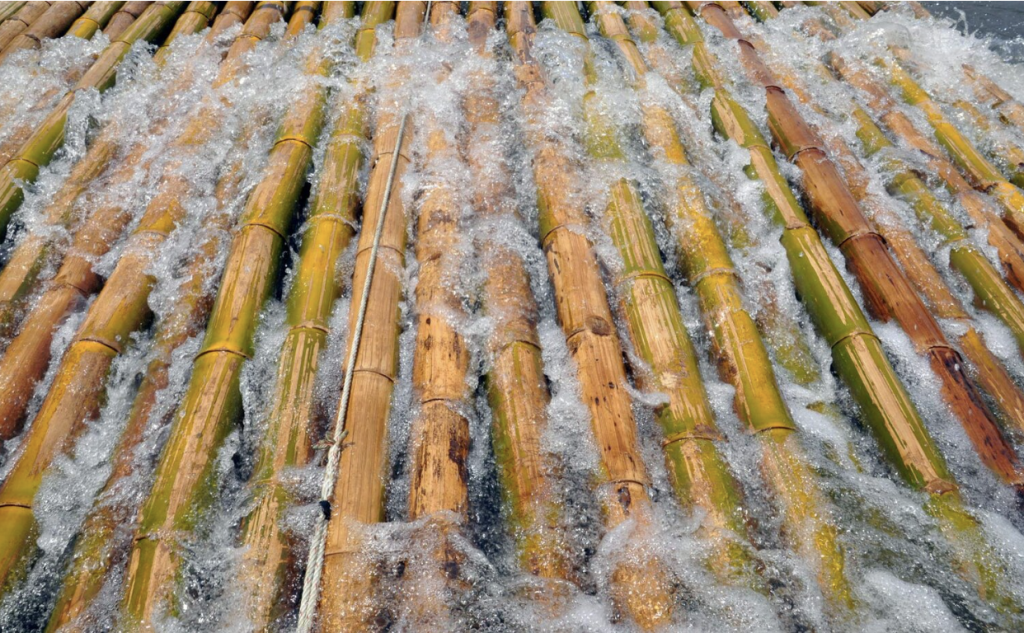
Despite its environmental benefits, the sustainability of bamboo still depends on how it is processed, all the chemicals we use (even natural/organic extractives) affect the life cycle of bamboo. Treatment methods vary based on the intended application. While bamboo treatment does require energy, its environmental impact is still lower than that of traditional building materials. For structural bamboo, fermentation and saltwater submersion techniques have a lower environmental impact, although take longer and may be less effective at controlling pests (Bamboo U, 2022a). Treatment with a borax/boric acid solution of 5-6% concentration strikes an effective balance between cost, performance, and environmental hazard (Bamboo U, 2022b ; Gauss, 2020). Further research is needed within the field to explore the effects of different preservation techniques. Like timber at the end of its life cycle, bamboo is biodegradable, decomposing naturally without contributing to landfill waste unlike non-renewable materials such as brick, steel and cement.
Bamboos Social Impact
Bamboo cultivation and processing provide livelihood opportunities for local communities, particularly in rural areas. Bamboos growth rate and perennial nature enables continuous harvesting that creates a sustainable source of income and employment for the formation of more resilient communities (Rani, et al, 2024).
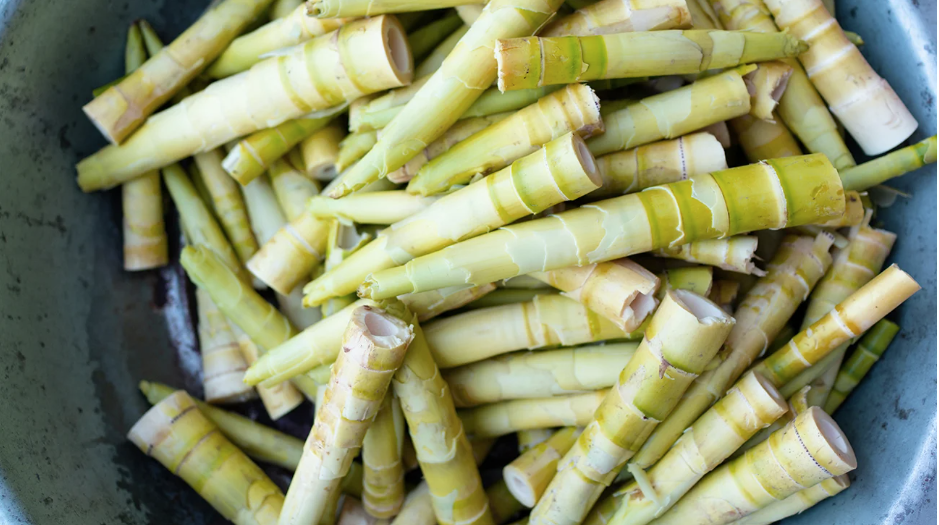
Bamboo also increases food security for both human and livestock (Paudyal et al. 2022). Its nutritional shoots are widely consumed in Asian nations, and locally known as ‘rebung’ in Lombok. Bamboo shoots have been shown to exhibit medicinal effects, such as antioxidant, antibacterial, anti-inflammatory, anti-helminthic, antidiabetic and antiulcer properties (Paudyal et al. 2022).
In addition to bamboo as a food crop, it also supports the growth of other food crops. Bamboo grows most abundantly using an intercropping system, where it is grown alongside other valuable commodities such as coffee, banana, and clove (Rabik, 2023). When strategically intercropping, farmers can optimize resource use, improve soil health, and reduce the logistical costs associated with harvesting. Effective intercropping increases the land's productivity and restores eco systems. These principles have been integrated into Mandalas permaculture eco system, where bamboo will be grown on site to provide material for structural repairs and handicrafts.
Mandala Eco-Resort
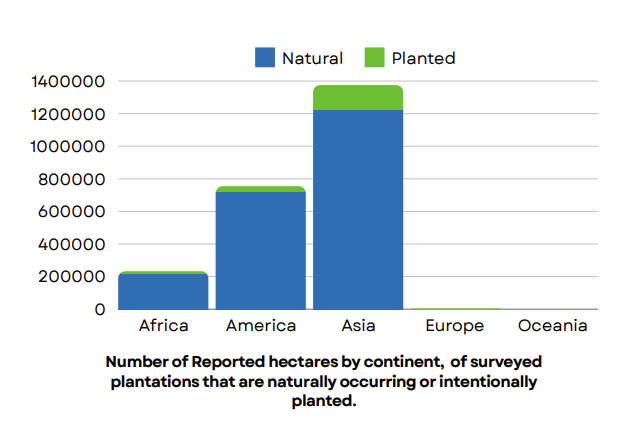
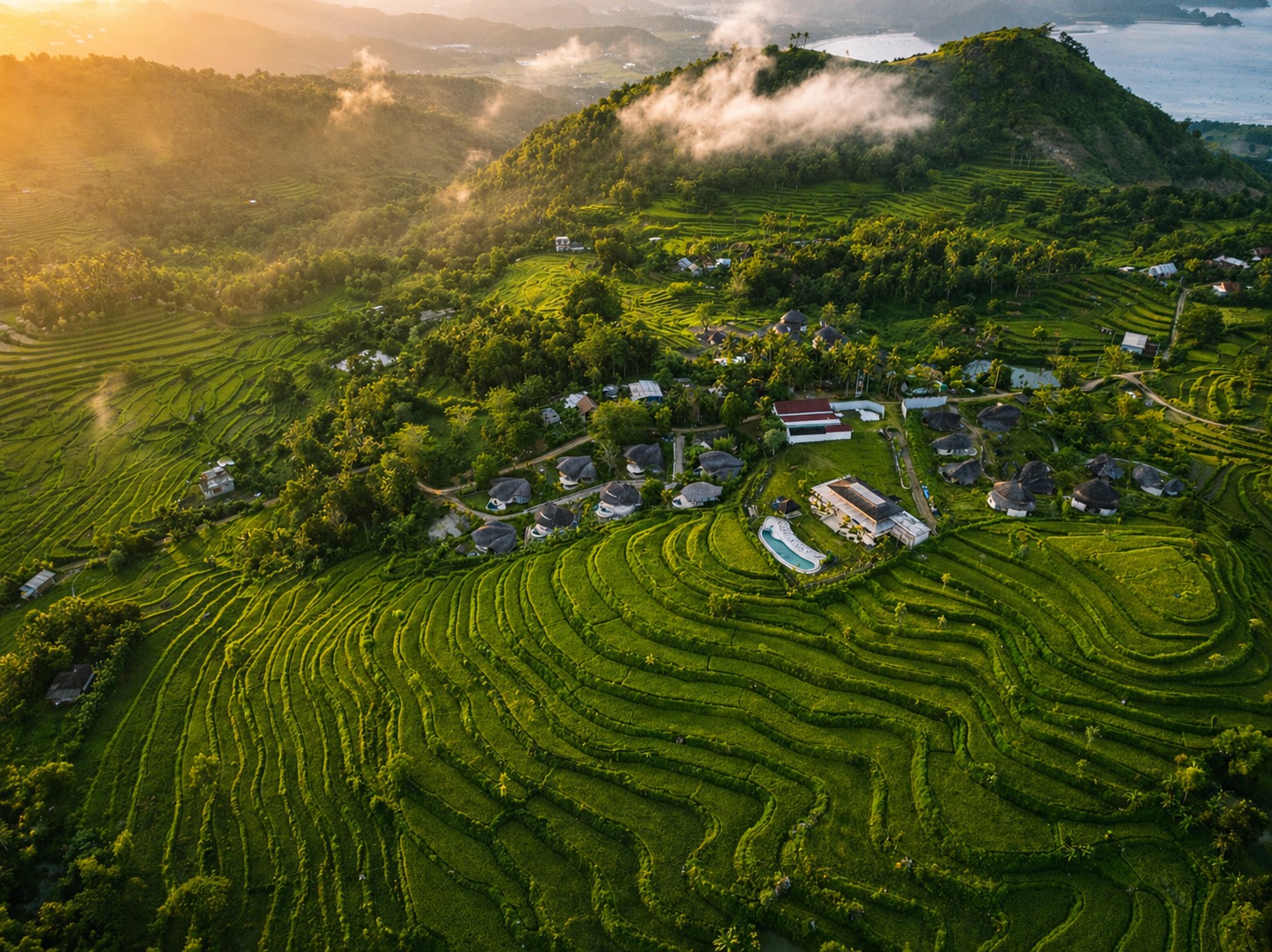
As seen in figure 5, bamboo is a naturally abundant and native species in Asia. Lombok specifically has many species growing naturally (Wulandari, 2021). Due to its natural presence bamboo has been used locally in Lombok's vernacular construction for centuries, as seen in the Old Traditional Mosque Beleq, built in 1634. Despite its presence, bamboo is not widely cultivated intentionally, with reports highlighting a true scarcity of plantations (World Bamboo Organization, 2024). However, its cultivation holds immense potential for ecological, economic, and social benefits, making it a powerful tool for sustainable development. The bamboo used in Mandala is grown in Lombok. By showcasing bamboo in the design of Mandala, we are promoting its intentional cultivation as a sustainable income stream for local communities here in Lombok, fostering both environmental stewardship and economic empowerment.
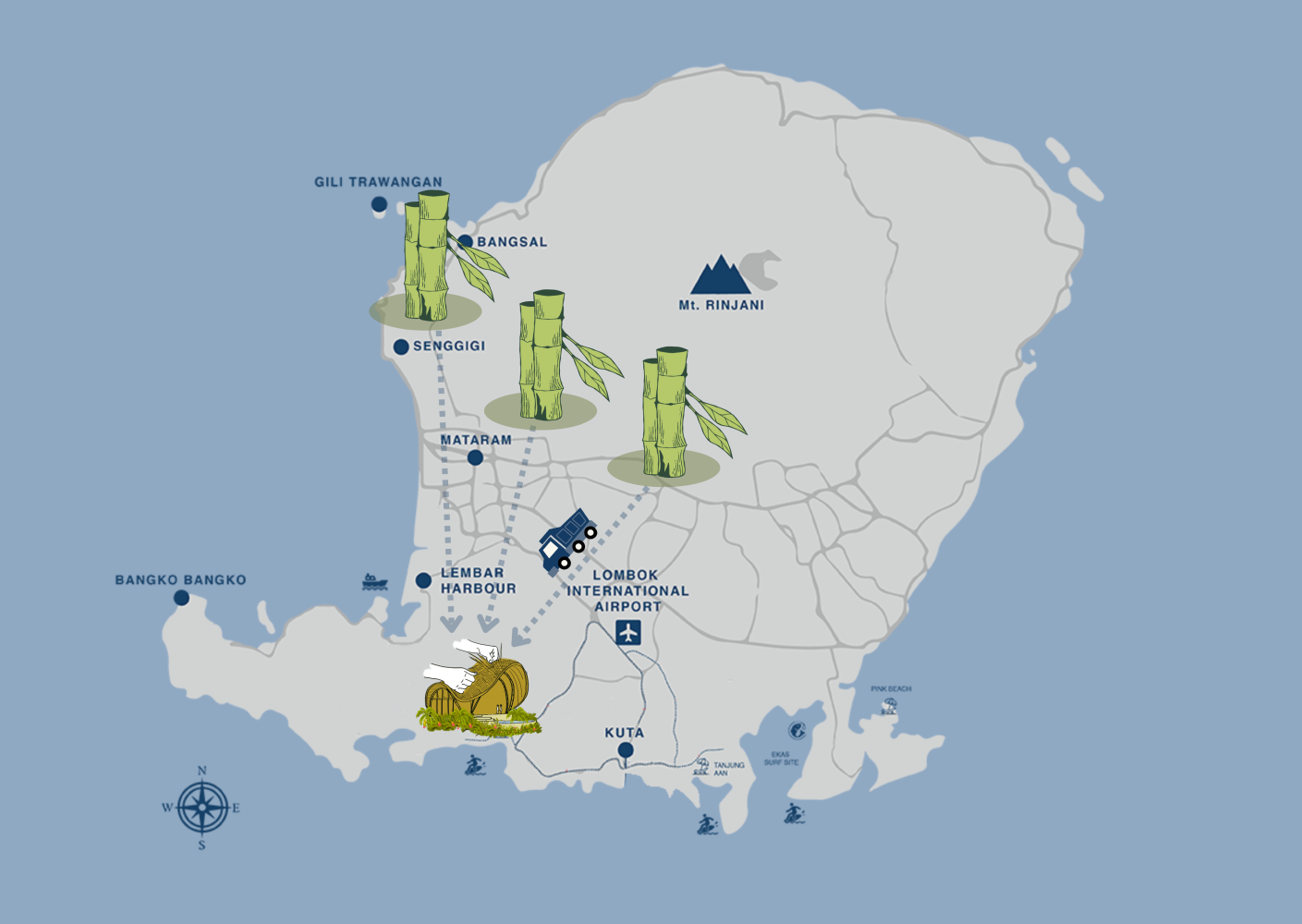
The primary material of our villas and structures is exposed bamboo, known locally as ‘Petung,’ and known by its species as Dendrocalamus asper Backer. As shown in Figure 6, Pemenang Regency, the most distant location from which bamboo is sourced, is situated only 67 km from Mandala Eco-Resort. By sourcing construction materials locally, the embodied carbon associated with their transportation is significantly minimised. The embodied carbon is further reduced by the exposed structural members. They not only showcase the remarkable qualities of bamboo but also eliminate the need for additional materials, such as plaster, paint, and gypsum boards, which are typically used to finish and conceal steel and brick structures.
Bamboo will be cultivated on-site at the village to enhance other ecological systems integrated into our permaculture master plan, as well as for minor repairs in the village. Our bamboo will also supply raw materials for handicrafts sold at the Lombok Eco Market, located within the village's central hub, Arkana. By supporting local artisans and craft production bamboo contributes to the village's resilient and sustainable economy.
We hope this article provides a comprehensive overview of bamboo’s use and benefits in Lombok and its potential for worldwide sustainable development. Below, we’ve included a list of useful resources for further exploration of this topic. If you’d like to learn more about Mandala Eco-Resort or get involved, please don’t hesitate to reach out! You too can be part of Mandala by investing with us today. Stay tuned as we share more articles featuring our research and insights throughout the development of this exciting project.
Useful free resources to learn more about Bamboo
Bamboo U https://bamboou.com/blog/
Pablo Luna Studio https://pablolunastudio.com/blog/
Environmental Bamboo Foundation https://www.bambuvillage.org/elibrary/
World Bamboo Organization https://www.worldbamboo.net/resources
Youtube - https://youtu.be/Hb5jfdu9WQQ?si=NX30nMCv69AgLwnL
Top Voices on Linked in - Jennifer Snyders, Susanne Lucas, Arief Rabik, Pablo Luna
Written by Isabelle Davies, Sustainable Construction R&D Department.



%402x%20(dark).svg)
%402x%20(dark).svg)
%402x.svg)


