


%20copy.jpg)

%402x.svg)
Lombok is often introduced through its beaches.
There is Tanjung Aan, with its wide sweep of white sand. Selong Belanak, where the bay opens gently toward the sea. The southern coastline, where limestone hills rise behind small fishing communities and the landscape seems to change with every bend in the road.
But some of the island's most memorable experiences are not necessarily places that appear on a map.
They can be found in a morning conversation at a village warung, the sound of a traditional weaving loom, a quiet road through fields, or a coastal viewpoint reached before the day's heat settles over the landscape. They are experiences that ask for a little more time and a little less expectation.
For travellers interested in understanding Lombok rather than simply passing through it, these smaller encounters offer another way into the island.
Read More: Bamboo Architecture and Sustainable Design in Lombok
Beyond the Famous Beaches
The south of Lombok has become increasingly well known, particularly around Kuta and the Mandalika area. New roads, hotels, restaurants and developments have made the region easier to reach, while its beaches have brought more visitors to the coastline.
Yet the landscape between these destinations remains remarkably varied.
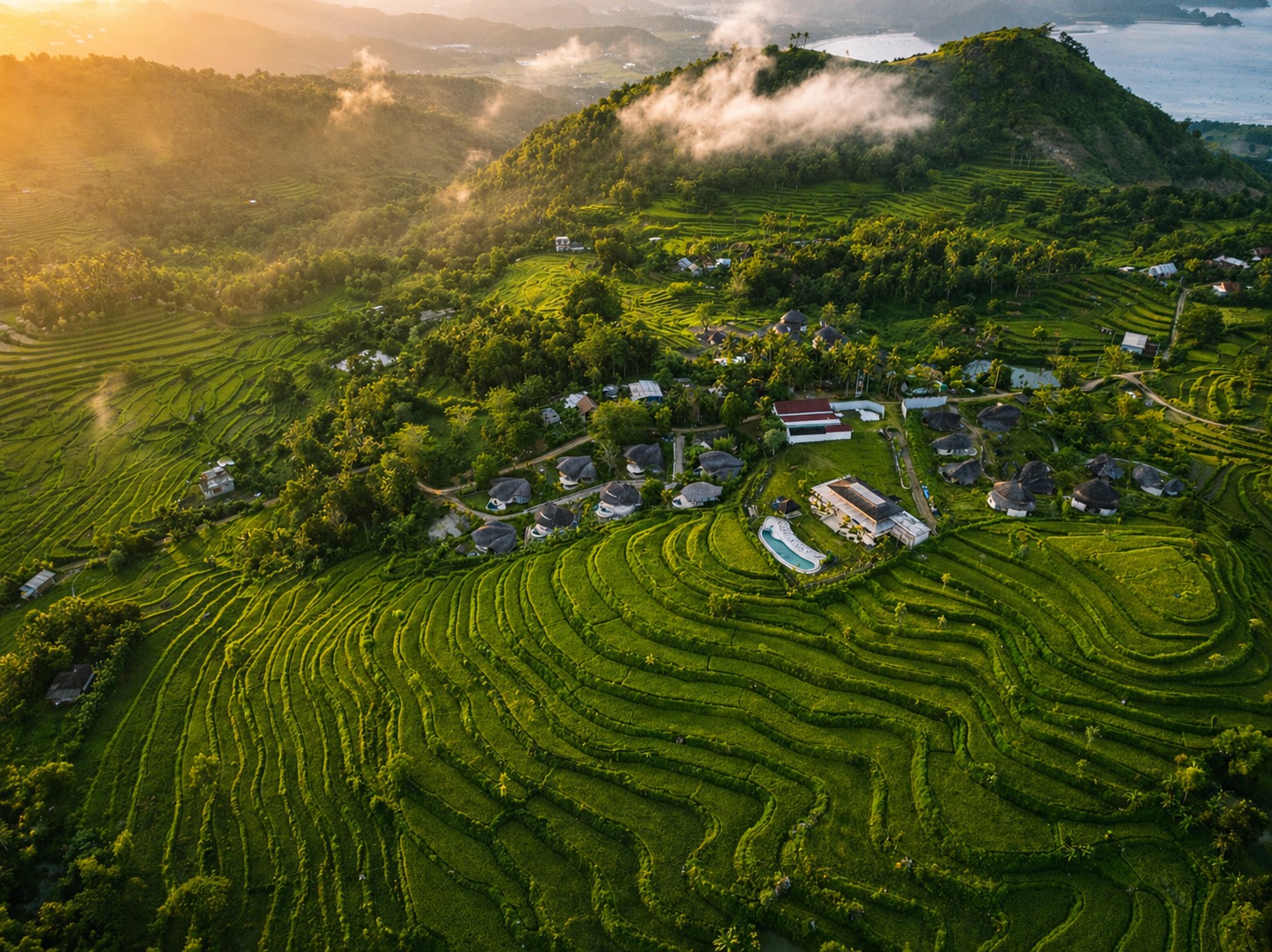
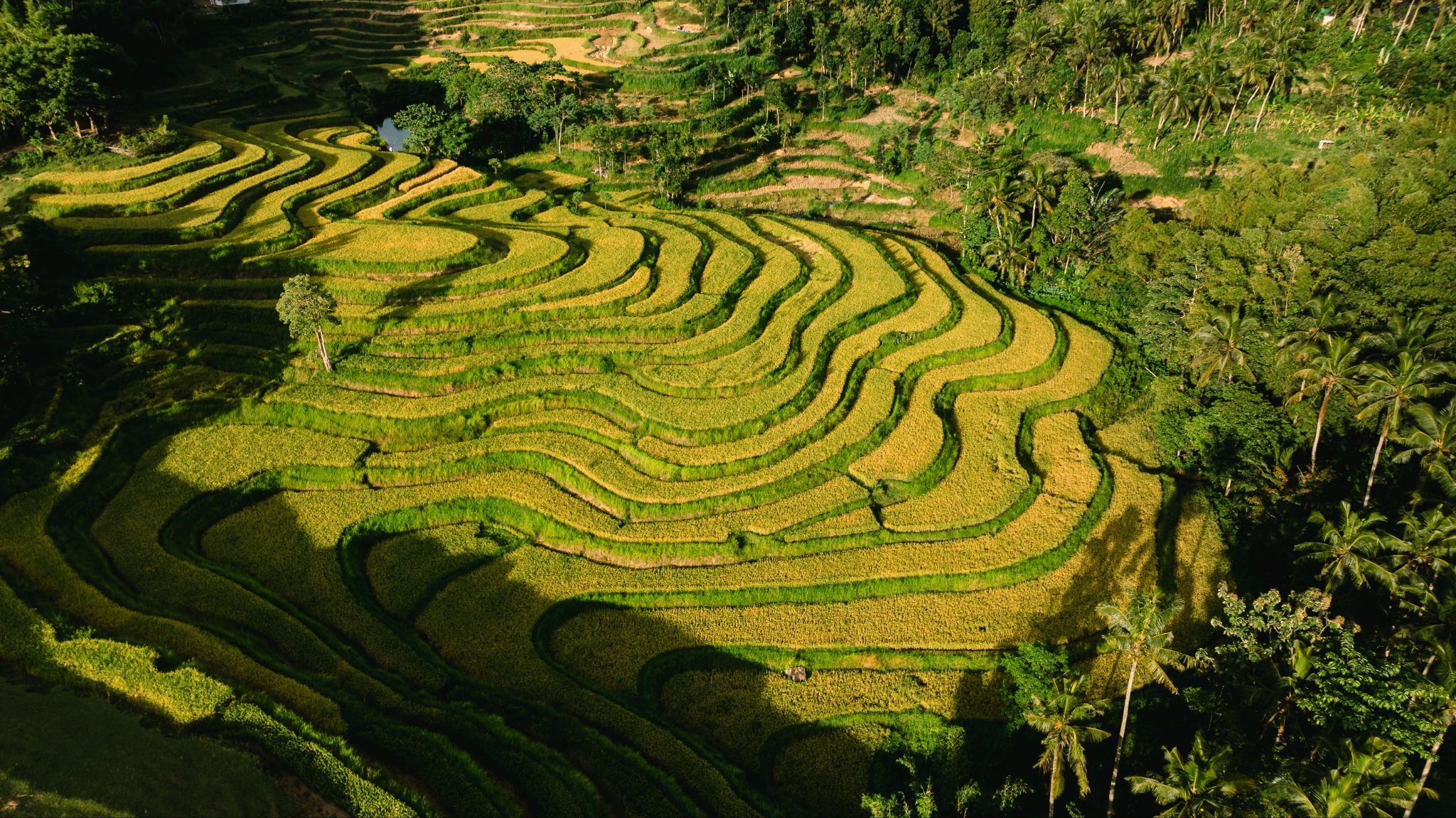
Away from the main roads, villages sit among agricultural land, coconut palms and low limestone hills. During the rainy season, parts of the island become intensely green. As the dry season progresses, the same landscape changes into warmer shades of gold and brown.
This seasonal rhythm is part of what makes Lombok distinctive. The island is not a static tropical backdrop. Its appearance, agriculture and daily routines respond closely to rainfall, sunlight, wind and the changing availability of water.
Exploring these areas slowly can reveal a different understanding of the island. A short drive can become an opportunity to notice how houses are positioned, where people gather in the afternoon, how agricultural land meets the road, or how the landscape opens suddenly toward the sea.
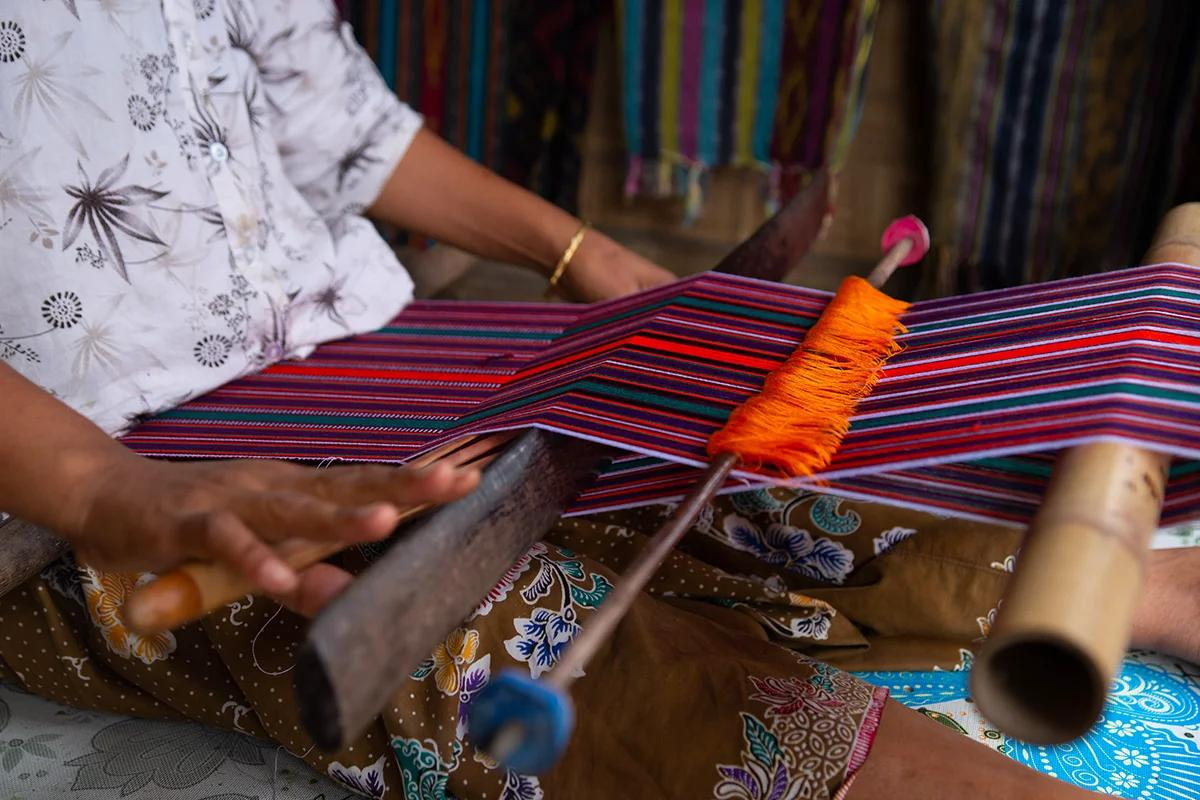
Villages, Craft and the Value of Making Things by Hand
One of the most meaningful ways to experience Lombok is through its traditional crafts.
Sasak culture has a strong tradition of making, from woven textiles to baskets, household objects and architectural elements. In several parts of Lombok, weaving remains closely connected to everyday life and cultural identity rather than existing solely as something produced for visitors.
The process itself is worth noticing.
Handwoven textiles carry small irregularities that reveal their human origin. Patterns are built through repetition, patience and an understanding of materials. The work cannot simply be accelerated without changing its character.
This way of making offers an interesting contrast to contemporary construction and hospitality, where speed and efficiency are often priorities.
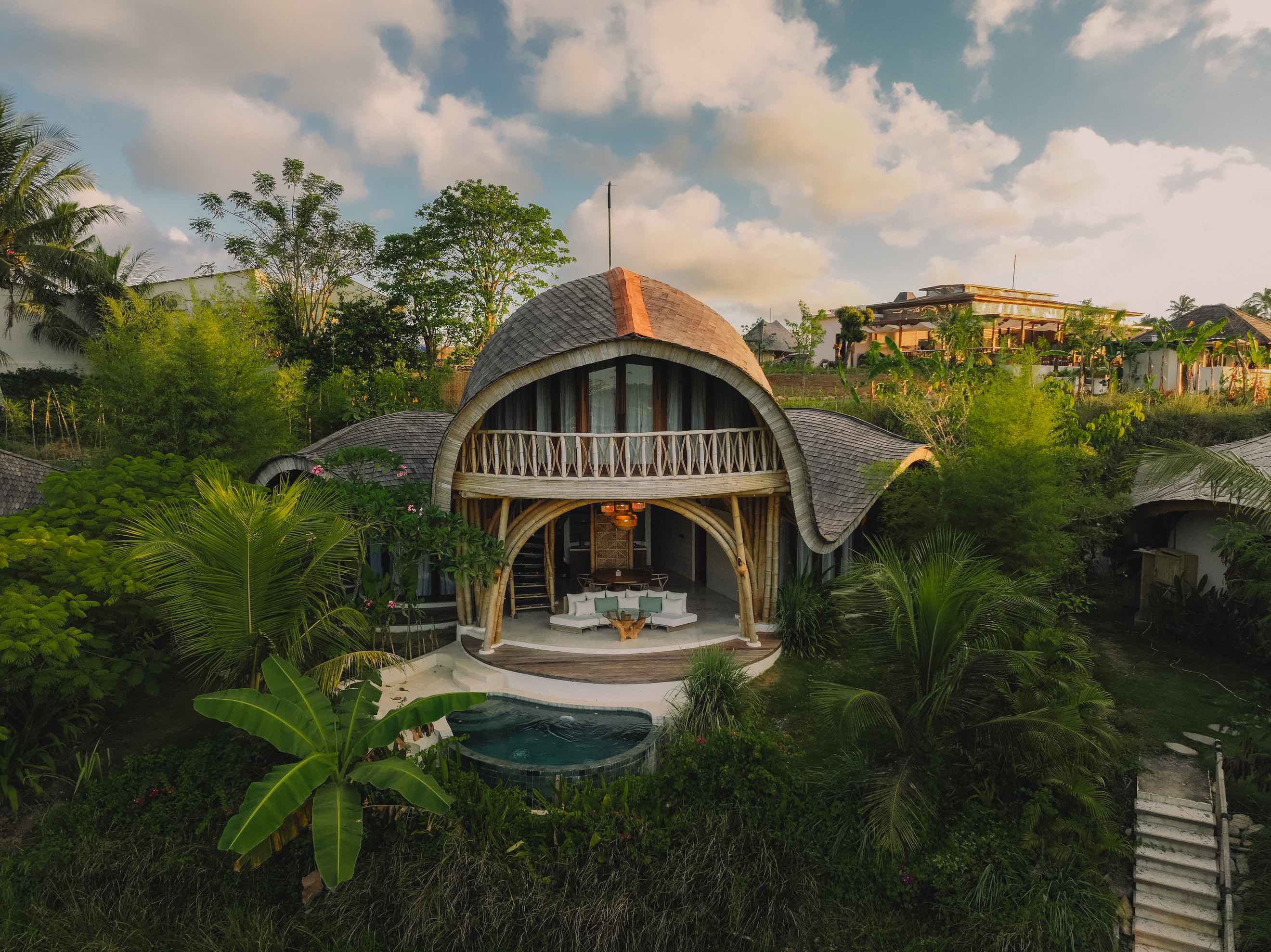
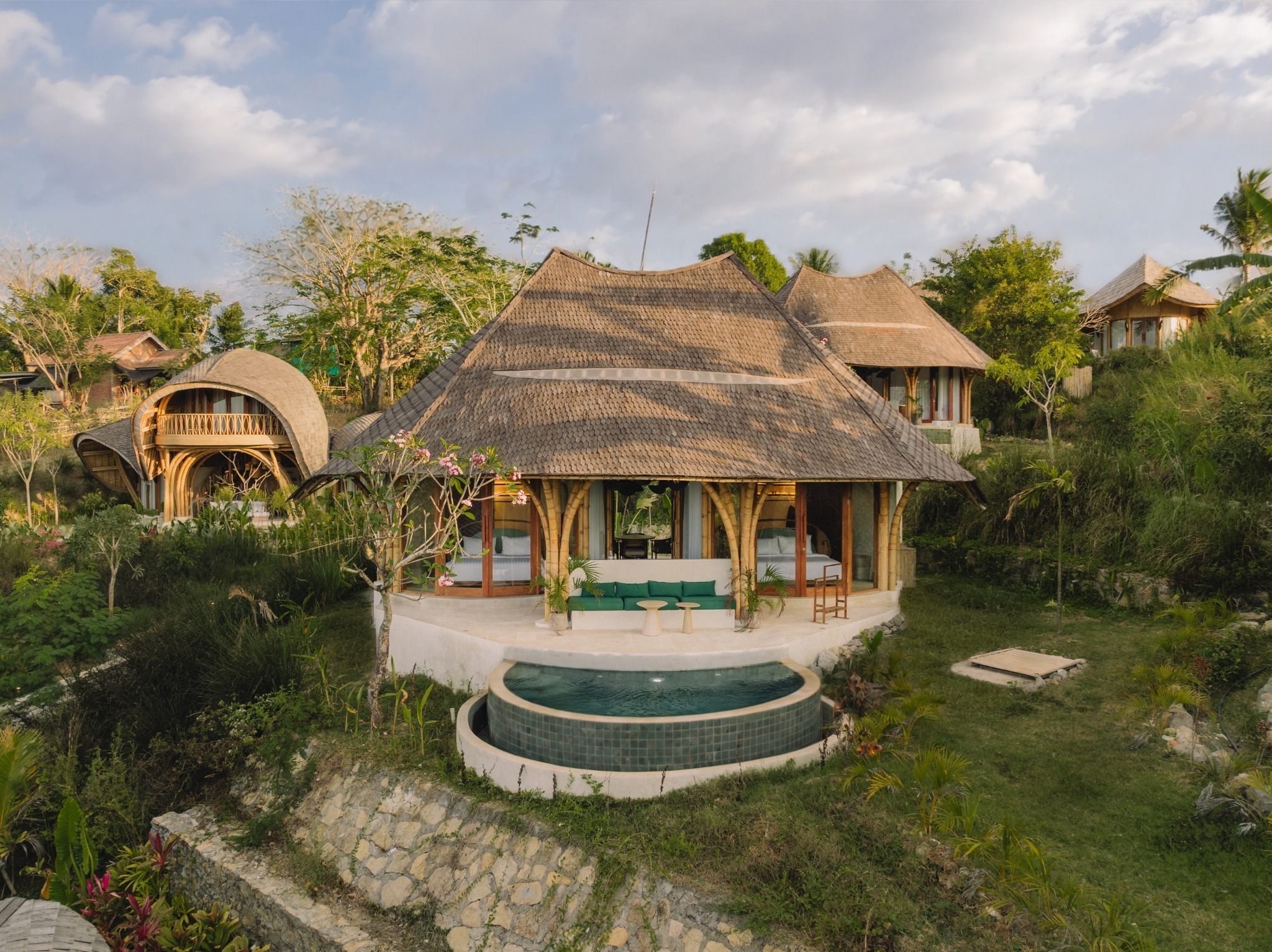
At Mandala, this relationship between traditional making and contemporary architecture is particularly relevant. The resort's use of bamboo reflects a broader interest in materials that can respond to their environment while retaining a sense of craft. Bamboo is not simply used as a decorative reference to local architecture. Its structure, texture and natural variation become part of the architectural experience.
The result is an environment where material is meant to be noticed: the rhythm of bamboo members, the texture of natural surfaces, the way light passes through a structure.
For visitors, experiencing local craft is therefore not only about buying an object. It is about understanding the time, skill and cultural knowledge behind it.
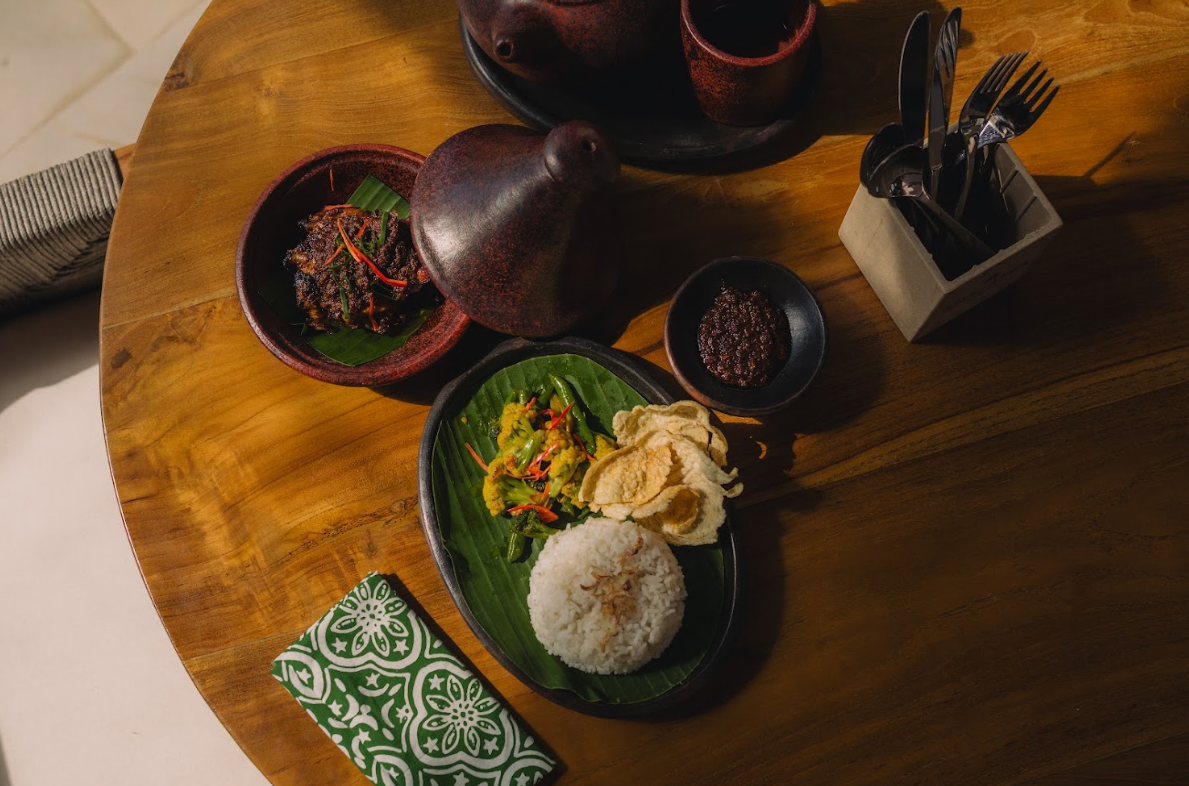
Eating Locally, Without Rushing
Food is another way to understand a place, particularly when experienced outside the context of a formal restaurant.
Lombok's food culture reflects the island's agricultural landscape and Sasak heritage. Rice remains central to daily meals, accompanied by vegetables, sambal, grilled meats and other locally familiar dishes. Ayam Taliwang and plecing kangkung are among the island's best-known foods, but limiting Lombok's cuisine to a few famous dishes misses much of its everyday character.
Some of the best food experiences can be remarkably simple.
A small roadside warung, a plate prepared for local customers, or a morning market can reveal more about daily life than a carefully designed tourist menu. The atmosphere matters as much as the food: the pace of service, the ingredients being prepared, the conversations around neighbouring tables.
There is something valuable about eating where the rhythm of the meal follows the rhythm of the place.
At Mandala, this same principle can be approached through a different setting. Rather than attempting to reproduce a traditional village experience, hospitality can create space for guests to slow down and pay attention to ingredients, surroundings and the process of eating.
The distinction is important. Experiencing local culture does not mean turning everyday life into a performance for visitors. Sometimes the most respectful approach is simply to observe, participate appropriately and allow local life to remain local.
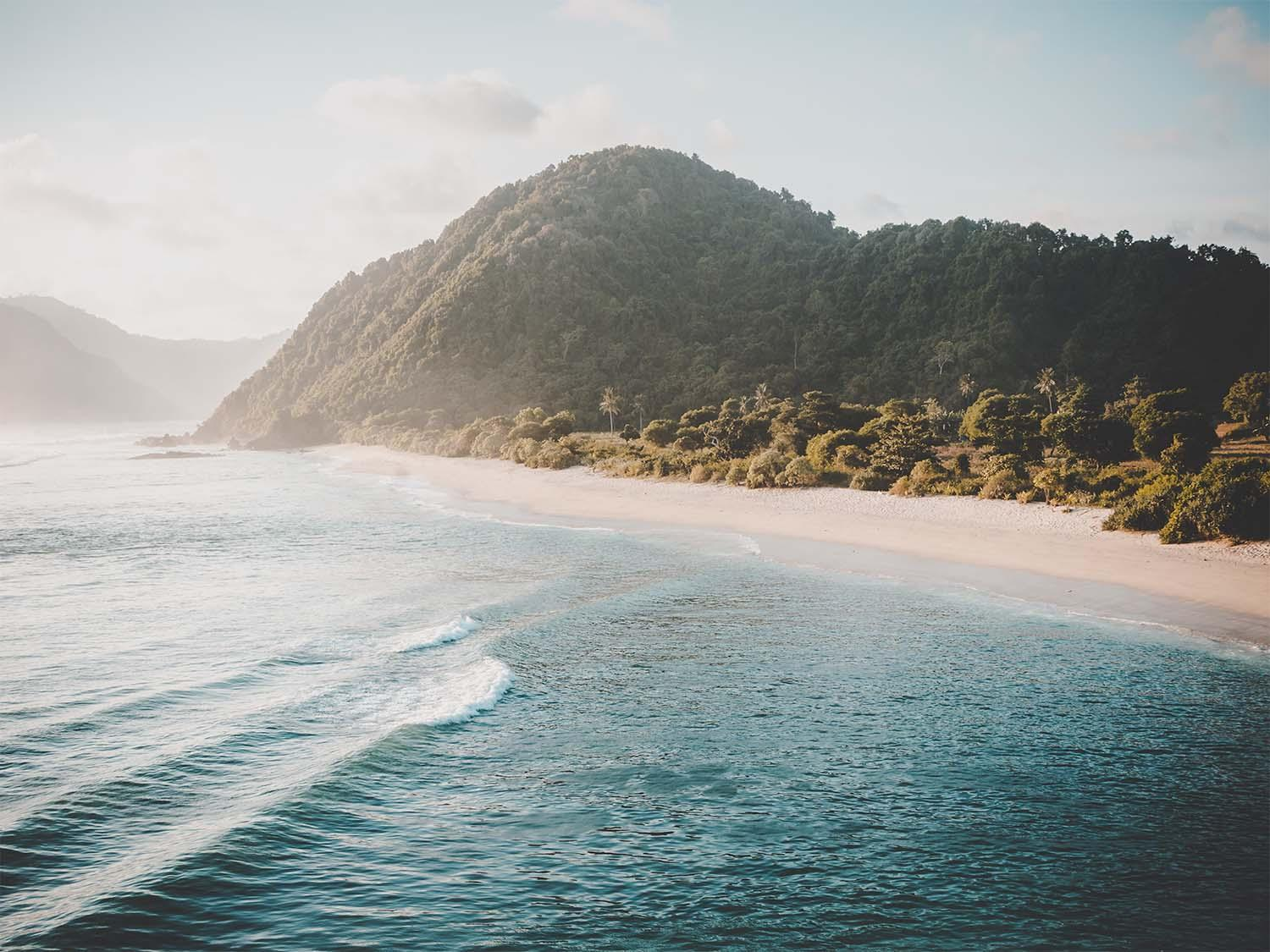
Finding Quiet Along the Southern Coast
The southern coastline is one of Lombok's defining landscapes, but its beauty changes considerably depending on when and how it is experienced.
Arriving at a beach in the middle of the day gives one impression. Arriving early, before the heat intensifies and before the coastline becomes busy, can feel entirely different.
The beaches around the south are shaped by limestone formations, seasonal weather and the Indian Ocean. Some bays are broad and open; others are protected by rocky headlands. The colour of the water changes with sunlight, tides and weather rather than remaining permanently turquoise as photographs might suggest.
For a slower experience, there is value in choosing one place and staying longer rather than trying to visit as many beaches as possible.
Walk. Sit under shade. Watch the fishermen. Notice the changing light.
This approach also has an environmental dimension. Concentrating tourism into a small number of heavily visited locations can place pressure on fragile coastal environments. Exploring responsibly means considering not only where to go, but how to move through these landscapes and how much impact to leave behind.
Lombok's quieter places are not valuable because they are undiscovered. They are valuable because they are living landscapes.
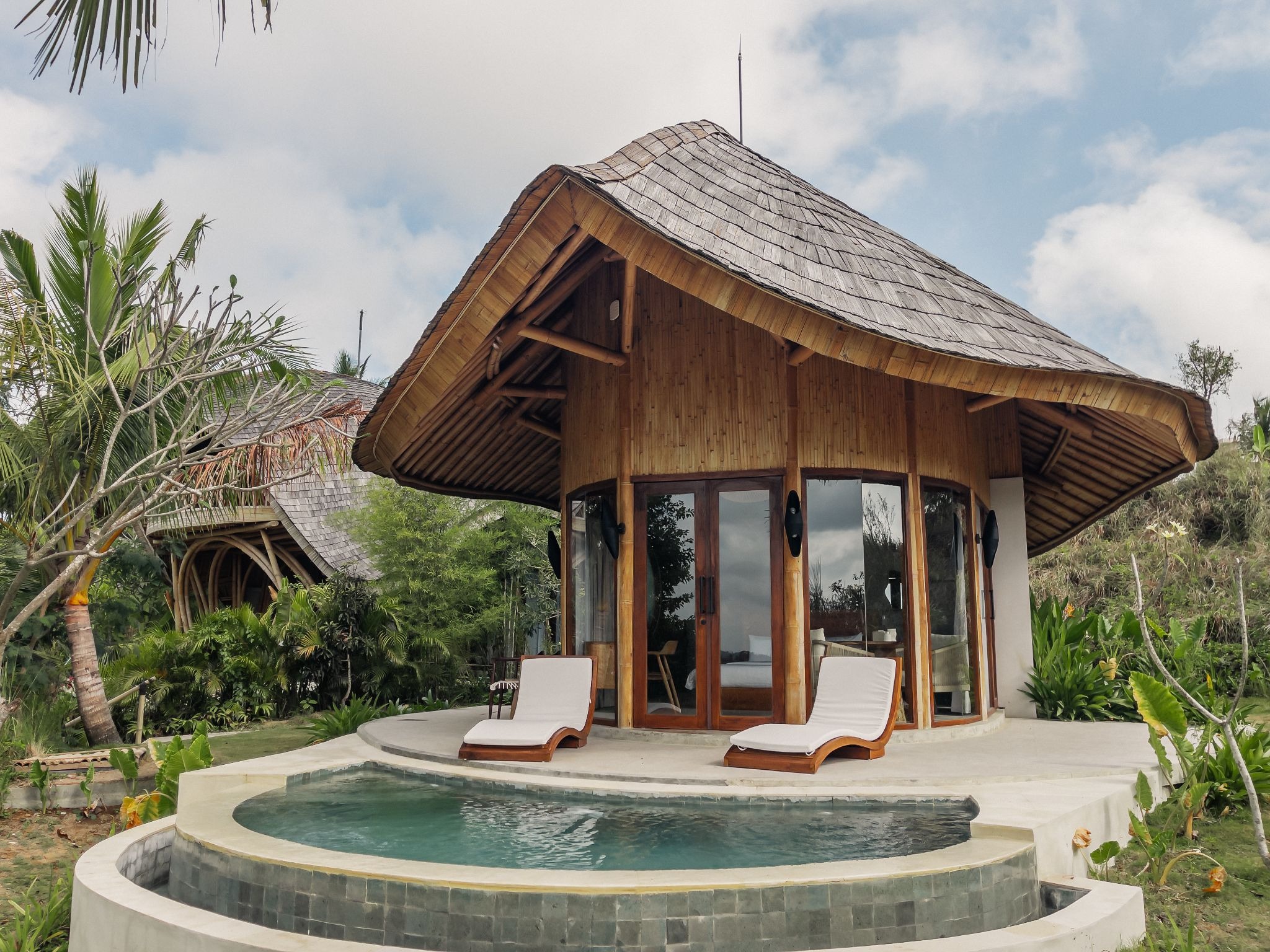
A Landscape That Shapes Architecture
One of the things that becomes apparent when spending more time in Lombok is how strongly the landscape influences the built environment.
The island's architecture has to negotiate heat, sunlight, rain, wind and views. Traditional buildings developed within these conditions, using forms, materials and spatial relationships that made sense for the local climate.
Contemporary architecture in Lombok has the opportunity to learn from this rather than simply imitate its appearance.
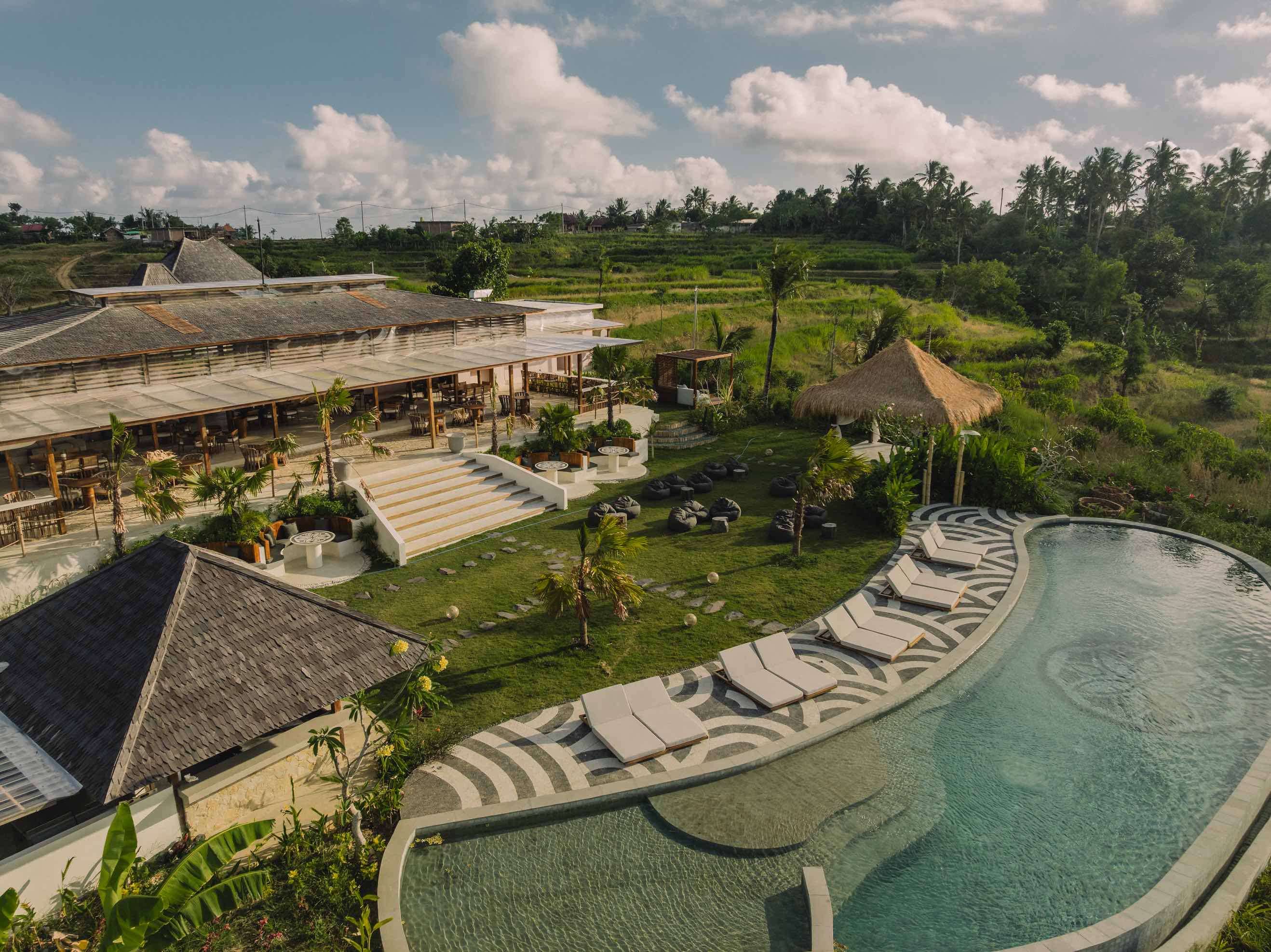
At Mandala, the surrounding landscape is treated as part of the architectural experience. Villas are positioned to engage with the terrain and distant volcanic landscape, while bamboo structures create a softer relationship between enclosed rooms and the surrounding environment.
This becomes particularly noticeable at different times of day.
Morning light changes the texture of bamboo. Afternoon shadows move across walls and terraces. At dusk, the architecture becomes less about its physical form and more about its relationship with the landscape around it.
This is one reason that architecture in Lombok can be understood as more than buildings placed within a beautiful destination. Good architecture here needs to respond to the conditions of the island.
The landscape should not disappear when a building arrives.
It should remain visible, felt and experienced.
.jpg)
Going Slowly Is Part of the Experience
Perhaps the most valuable local experience in Lombok is also the simplest: allowing enough time for the island to reveal itself.
A tightly scheduled itinerary can cover many destinations while leaving little space to actually experience them. A slower day might involve breakfast, a drive through the countryside, a short stop at a village, an afternoon swim and returning home before sunset.
Nothing about this is particularly spectacular.
That is precisely the point.
Travel does not always need to be measured by how many places were visited. Sometimes the strongest memories come from details that were never part of the itinerary: the smell of wet earth after rain, a conversation with someone you meet unexpectedly, the sound of a village preparing for the evening, or the changing colours of the hills on the way back.
Lombok rewards this kind of attention.
Its quieter experiences are not hidden because they are secret. They are hidden because they require the visitor to look beyond the obvious.
Leaving Room for the Unexpected
The idea of a "hidden gem" can sometimes turn a place into a checklist. Once a quiet beach or village becomes famous, the very qualities that made it special can begin to disappear.
A more meaningful approach is to think of hidden gems not as secret locations to collect, but as opportunities to experience a place differently.
Lombok offers plenty of them.
They exist in its villages, food, craft traditions, agricultural landscapes, beaches and architecture. They exist in the spaces between destinations and in the moments when there is no particular destination at all.
Mandala sits within this wider landscape rather than apart from it. Its architecture, materials and approach to hospitality are part of an ongoing conversation with the island around it.
For guests, that creates an opportunity to do more than stay somewhere beautiful.
It creates space to notice where they are.
And perhaps that is the most rewarding way to experience Lombok: not by searching endlessly for somewhere untouched, but by slowing down enough to appreciate what is already there.



%402x%20(dark).svg)
%402x%20(dark).svg)
%402x.svg)


