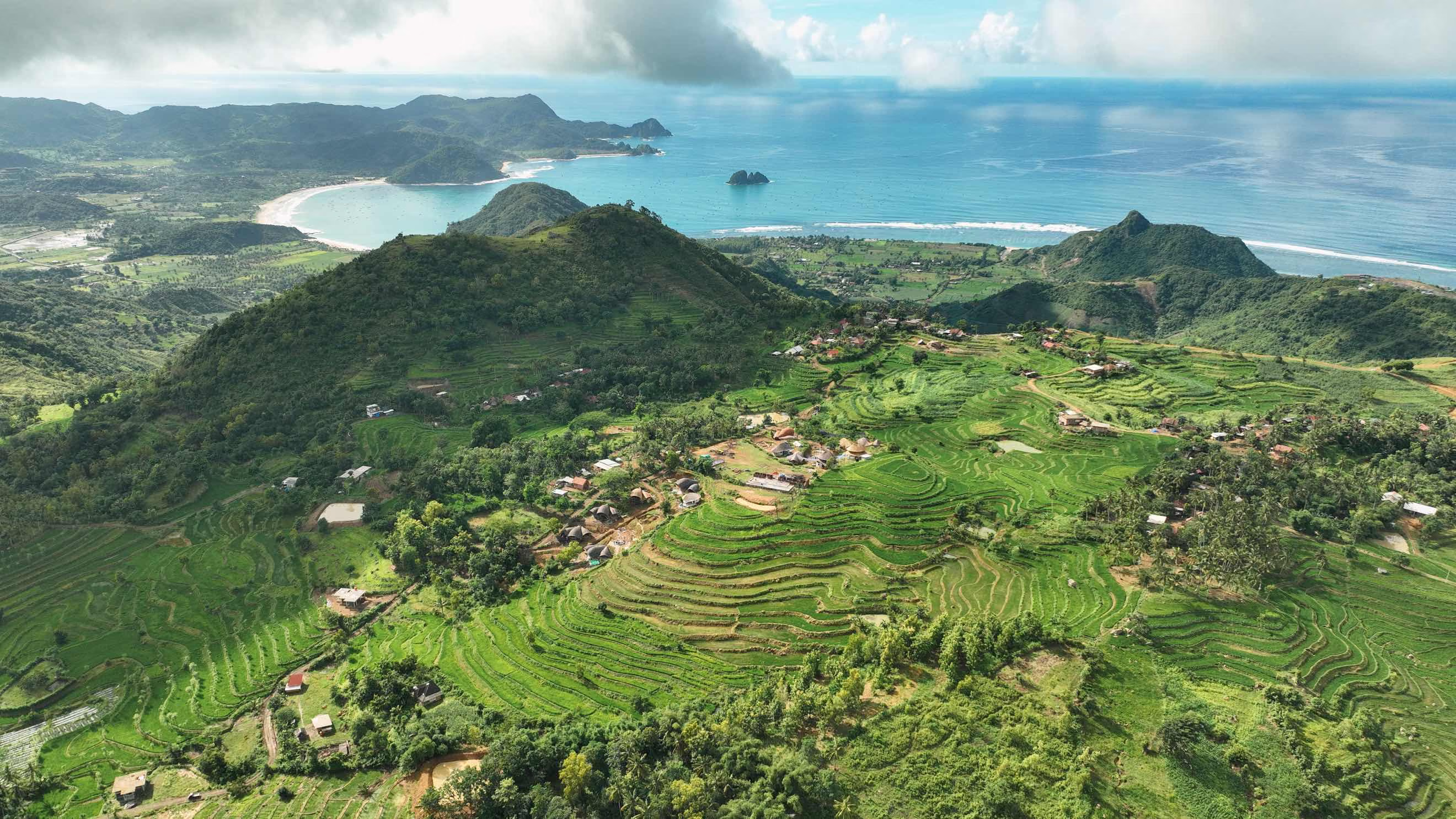
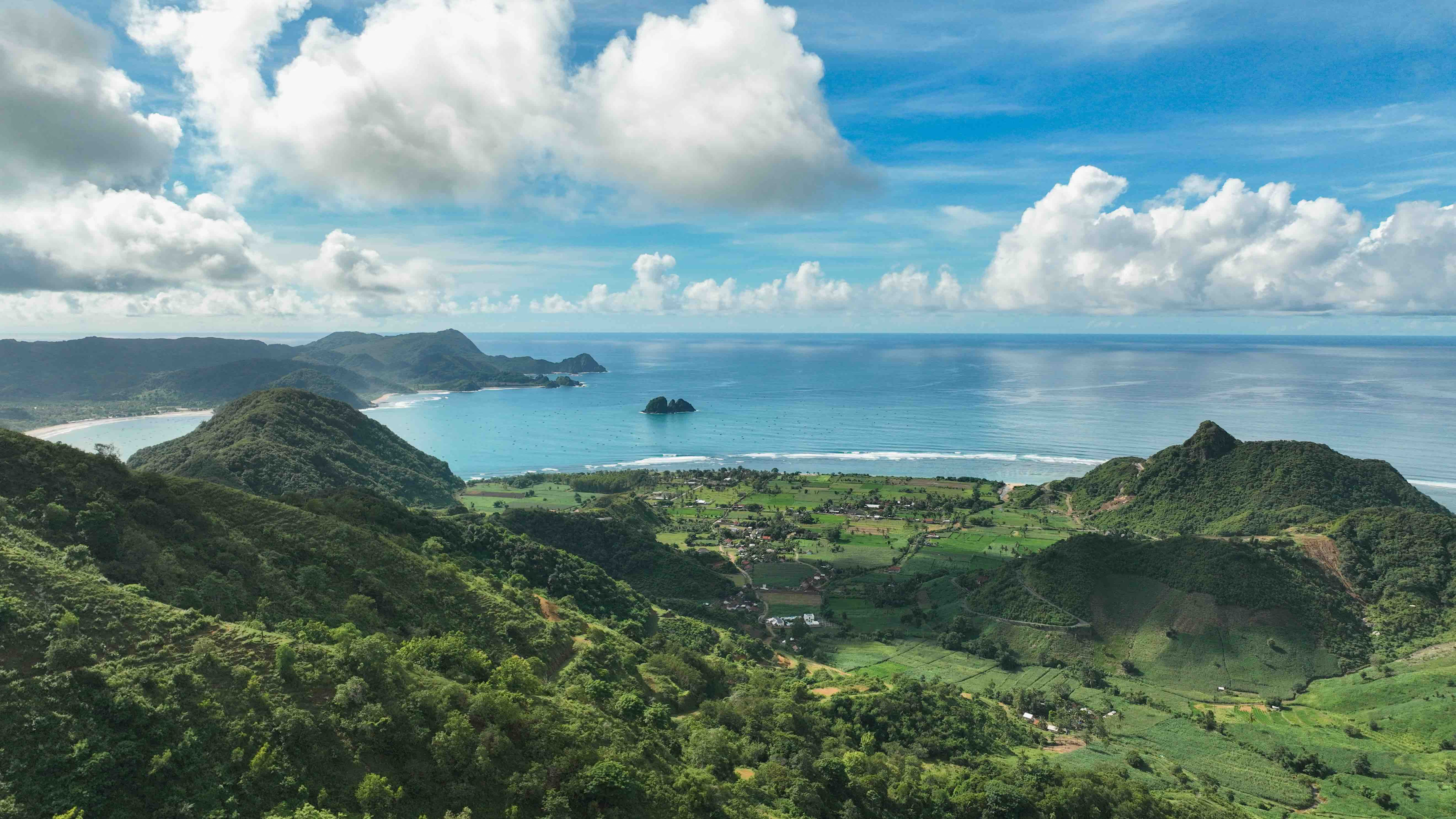


Lombok is often described through its beaches: long stretches of white sand, turquoise water, dramatic headlands and quiet bays. But the island reveals much more when you stop looking at it as a fixed destination.
Its character changes with the weather.
The hills of southern Lombok can appear dry and golden during the long months without much rain, then gradually soften into deeper greens when the wet season arrives. The light changes. The air changes. Roads become quieter. Gardens become more alive. Even the way people move through the landscape can feel different.
This is one of the reasons Lombok is worth visiting at different times of year. There is no single season that completely defines the island. Instead, each period reveals another side of it.
For travellers interested in nature, architecture and slower living, that seasonal rhythm can be more meaningful than simply choosing the month with the most reliable sunshine.
Read More: Slow Travel in Lombok - Learning to Move at the Island’s Own Pace
The Dry Season: Open Landscapes and Clear Horizons
For many travellers, the dry season is the most familiar version of Lombok.
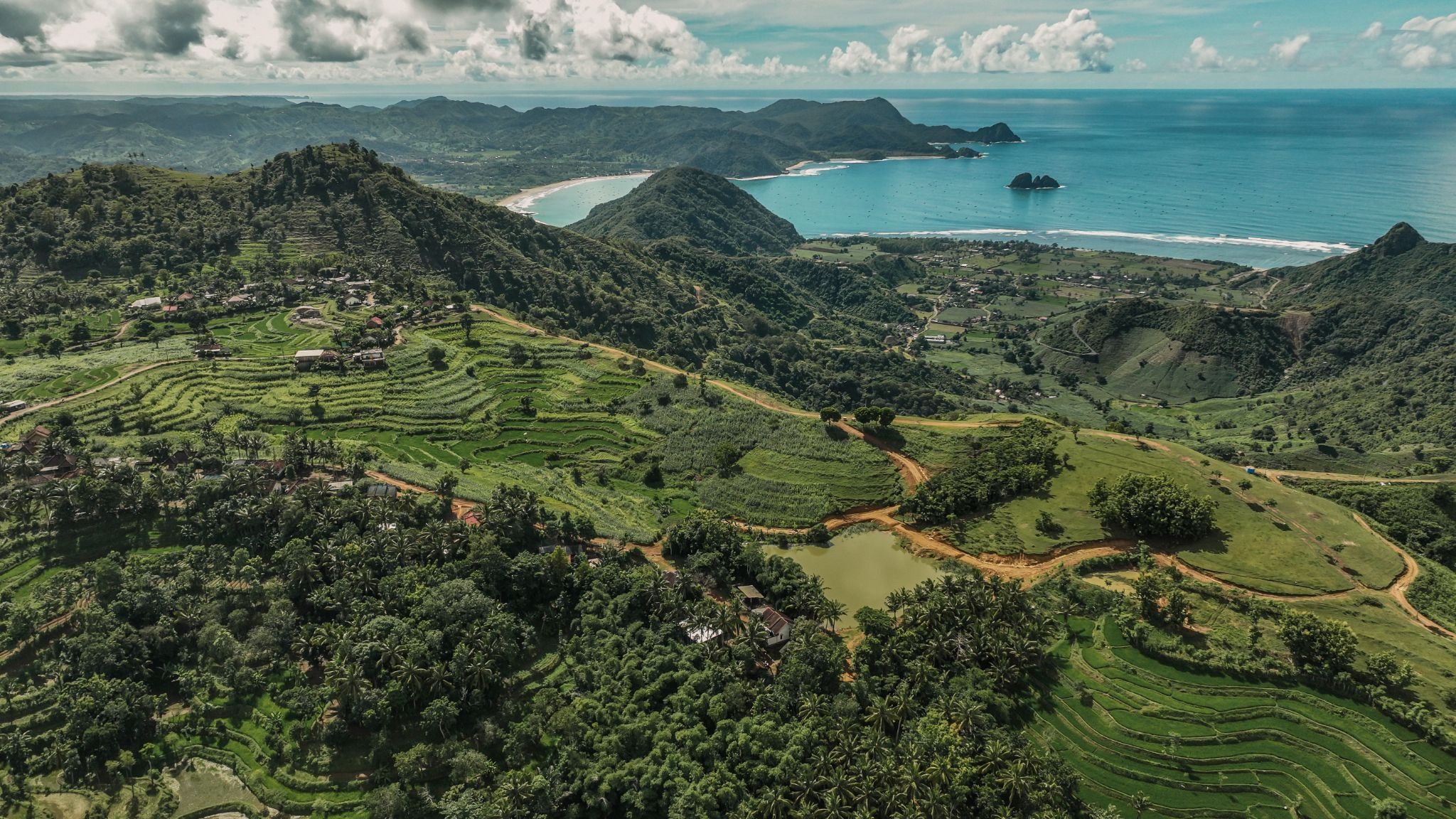
In southern Lombok, the landscape can become strikingly open. Grasses turn golden, hills become more sculptural, and the contrast between dry land and the deep blue sea becomes particularly pronounced.
The dry months are naturally attractive for spending time outdoors. Beaches are easier to plan around, coastal roads are generally more comfortable to explore, and long days of sunshine create ideal conditions for swimming, surfing, hiking and simply moving slowly between different parts of the island.
The season also changes how the landscape is perceived.
Without heavy cloud cover, the southern coastline can feel almost architectural. Hills become silhouettes against the horizon. Coconut palms stand out individually against dry grass. Shadows become sharper, and the late afternoon light can transform familiar places into something entirely different.
For photographers and architects, this is an especially interesting time to observe Lombok. The island's forms become clearer: the geometry of a traditional roof, the curve of a hillside, the texture of stone, bamboo and timber, or the way a building sits within its surroundings.
The current climate pattern is not always identical from one year to the next. In 2026, for example, Indonesia's meteorological agency, BMKG, predicted an earlier-than-normal dry season across many parts of the country, with NTB among the regions entering the dry period early.
That variability is worth remembering. A season is a rhythm, not a guarantee.
The Wet Season: When the Island Turns Green
Then the rain arrives, and Lombok changes almost completely.
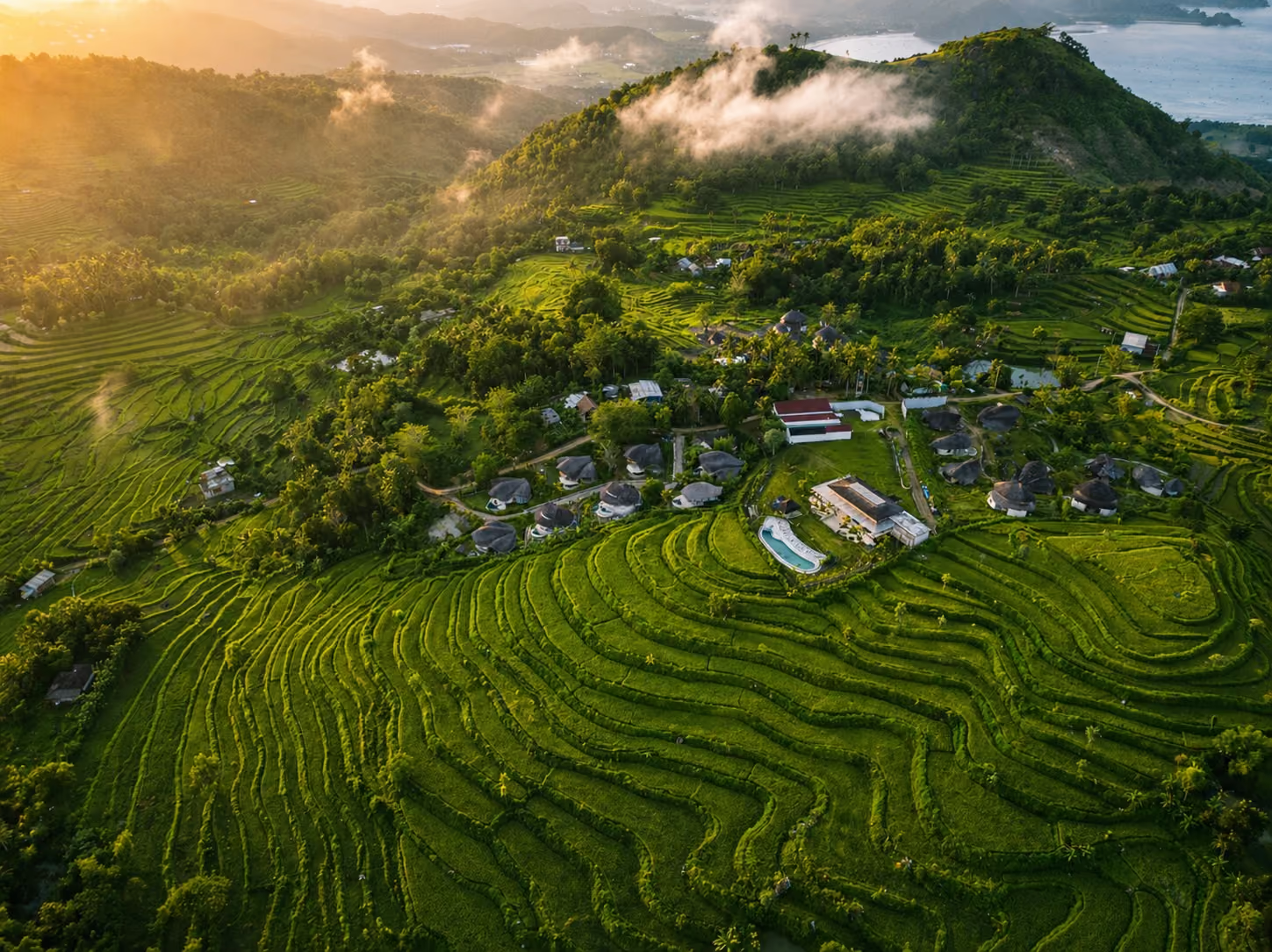
The same hills that appeared dry and golden begin to take on deeper shades of green. Vegetation becomes denser, the air feels heavier, and rain can arrive suddenly before giving way to clear skies again.
For visitors who only know Lombok during the dry months, this can feel like discovering another island.
Rain also changes the pace of travel.
A beach day may become a morning rather than an entire afternoon. A sudden shower can turn an outdoor plan into an opportunity to sit beneath a roof, listen to the rain and watch the landscape change. Roads become less about getting somewhere quickly and more about observing what is around you.
This slower rhythm is part of what makes the wet season interesting.
It is also a reminder that Lombok's beauty does not depend entirely on perfect weather. A landscape is more than its postcard condition. Rain reveals textures that dry weather can hide: darker earth, wet stone, reflective surfaces, leaves carrying water and clouds moving across the hills.
For anyone interested in nature, this can be one of the most rewarding times to experience the island.
The wet season should not be treated as simply the "bad" season for travel. Rather, it offers a different relationship with the landscape—one that is less predictable and often more intimate.
The Transitional Months: A Different Kind of Lombok
Between the more pronounced dry and wet periods are the transition months.
These periods can be especially interesting because the island does not necessarily look or feel entirely one way.
Some hills may still hold their dry-season colours while vegetation begins returning. The weather can shift from clear to cloudy within the same day. Mornings and afternoons may feel noticeably different.
For travellers who prefer flexibility rather than a strict itinerary, these months can offer an appealing balance.
There is a useful lesson here about travelling in tropical places: weather is not simply a matter of good or bad. It is part of the landscape.
Even BMKG's seasonal forecasts describe Lombok and NTB through geographical zones rather than treating the entire region as having one identical climate. Different parts of the island can experience different seasonal patterns.
That means it is worth looking beyond a simple statement such as "Lombok is rainy from this month to that month." Local geography matters.
The north, centre and south of the island have different landscapes, elevations and exposure. A cloudy morning in one area does not necessarily mean the entire island will be wet.
For visitors staying for several days, this creates an opportunity to follow the weather rather than fight it.
Seasons and the Architecture of Living
Seasonality is not only something experienced outdoors. It also influences how buildings should work.
In a tropical environment, architecture has to respond to heat, humidity, rainfall, wind and changing levels of sunlight. The best spaces do not simply protect people from the climate; they allow people to experience it comfortably.
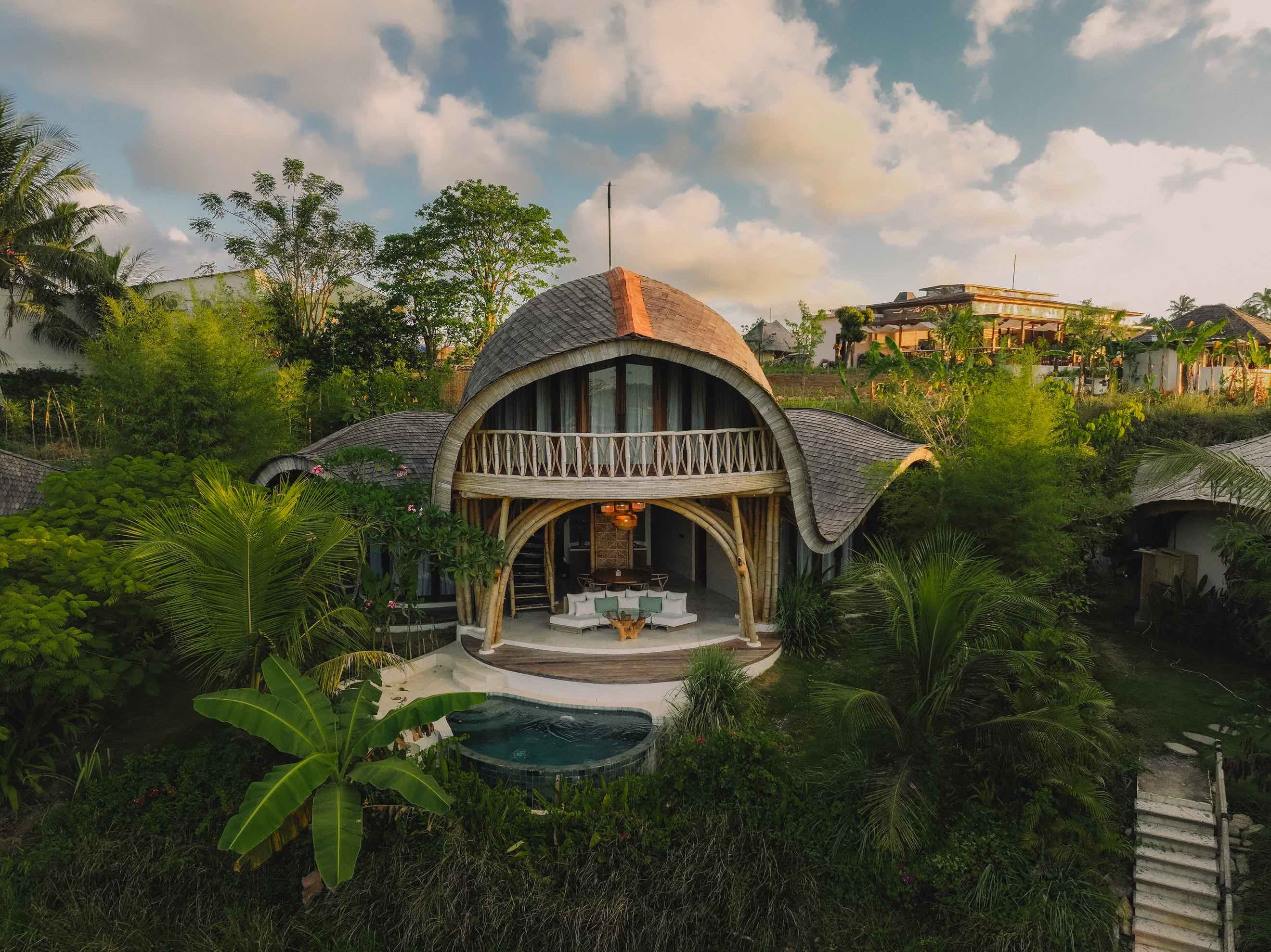
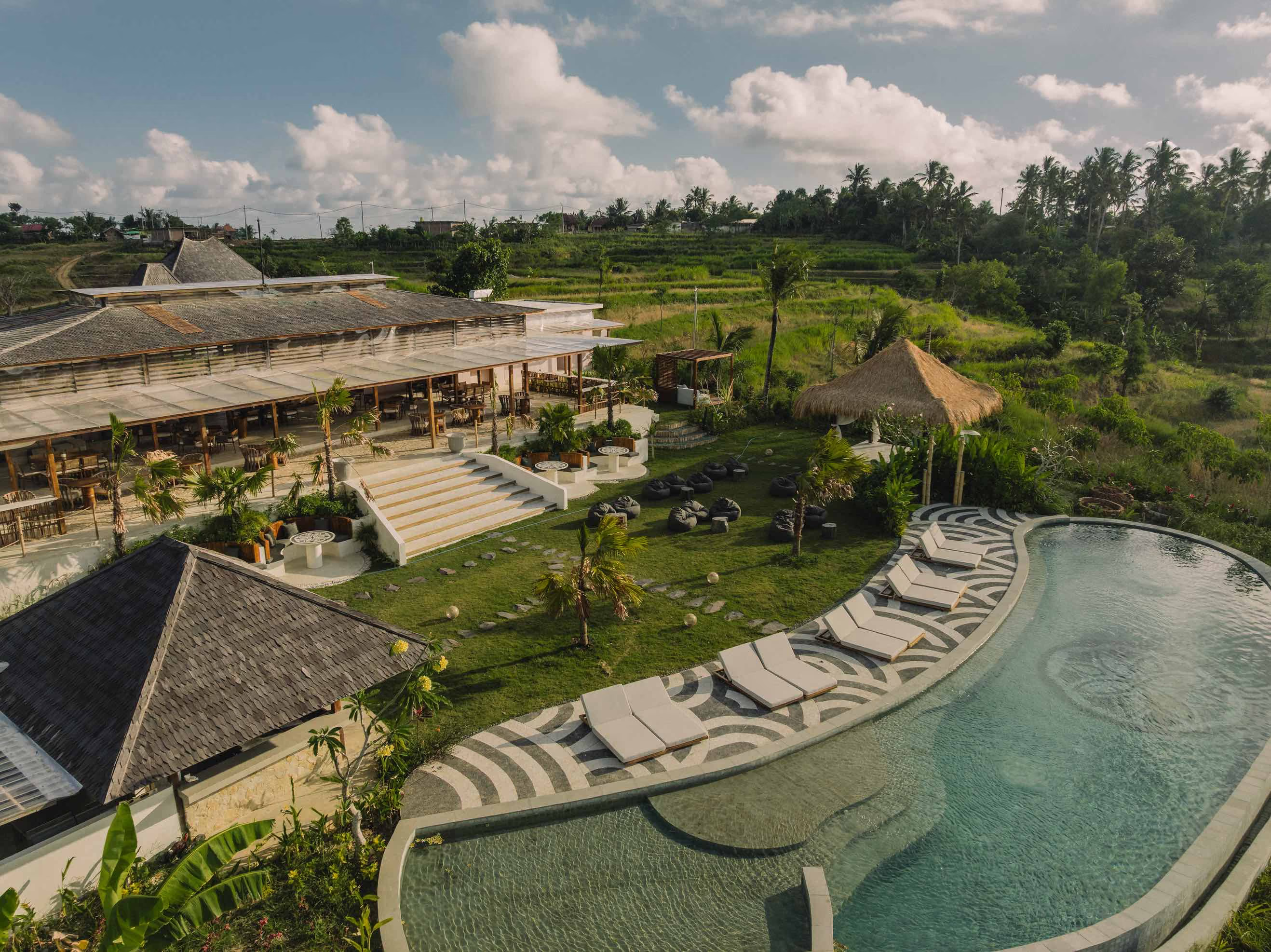
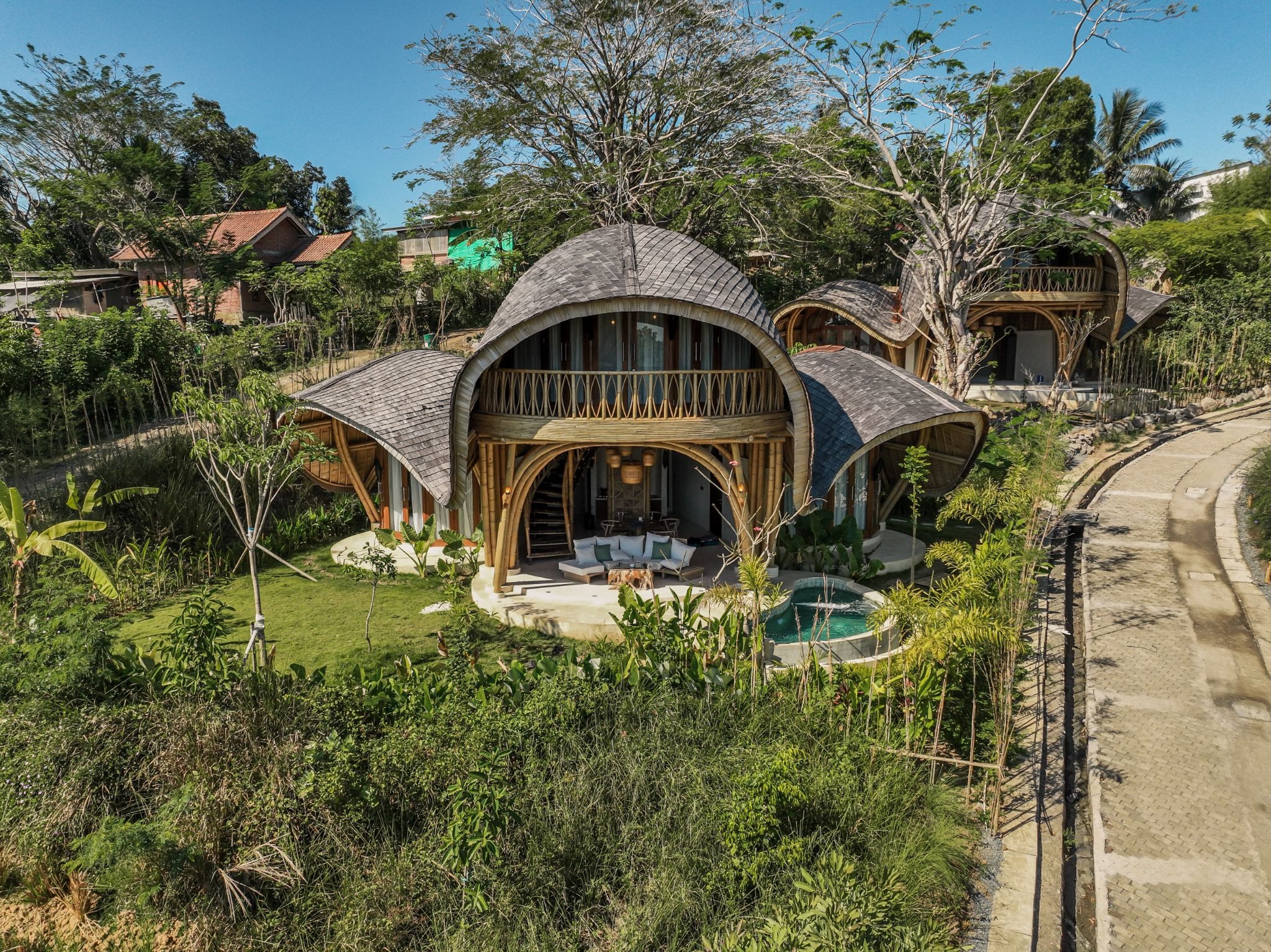
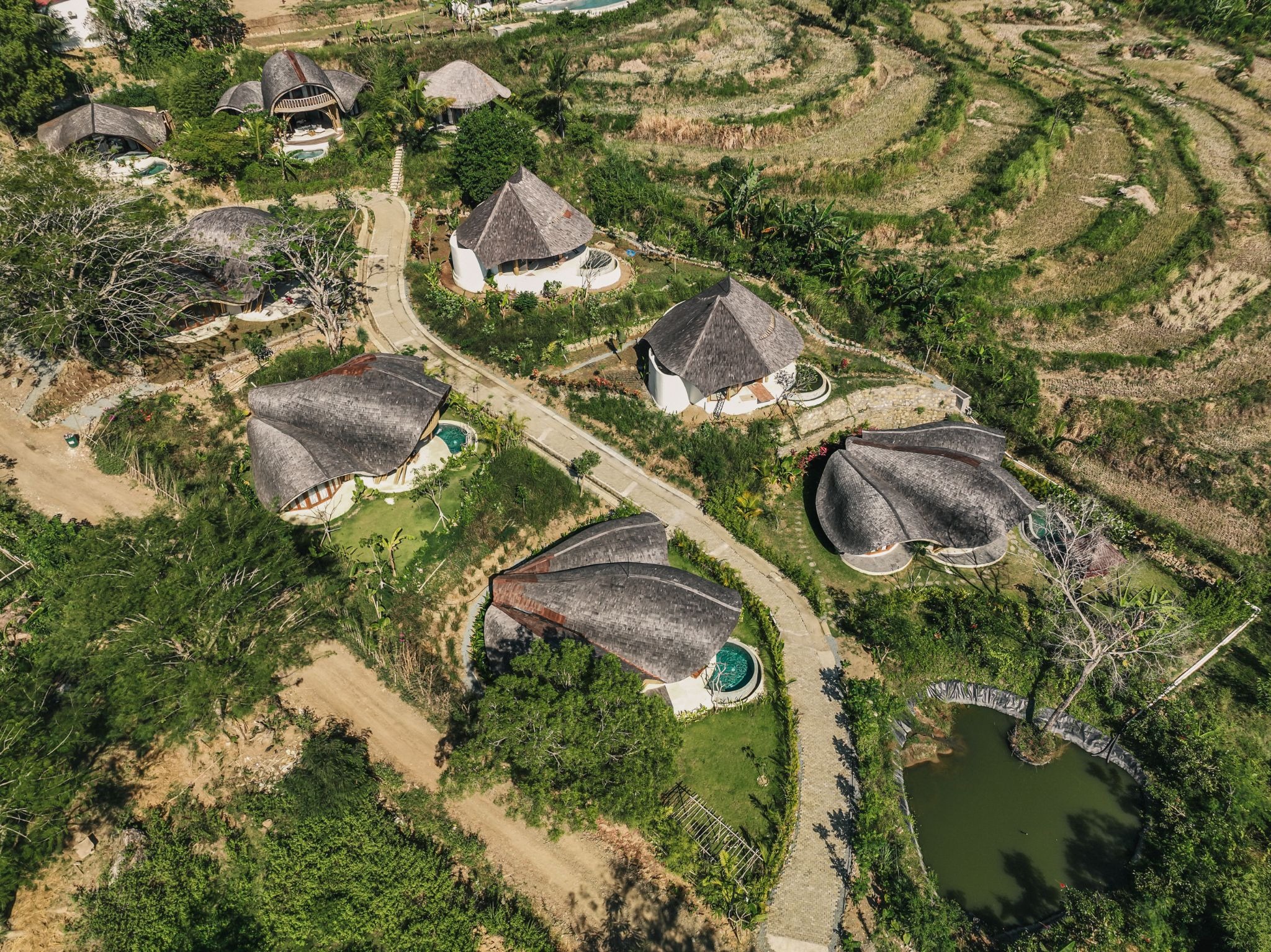
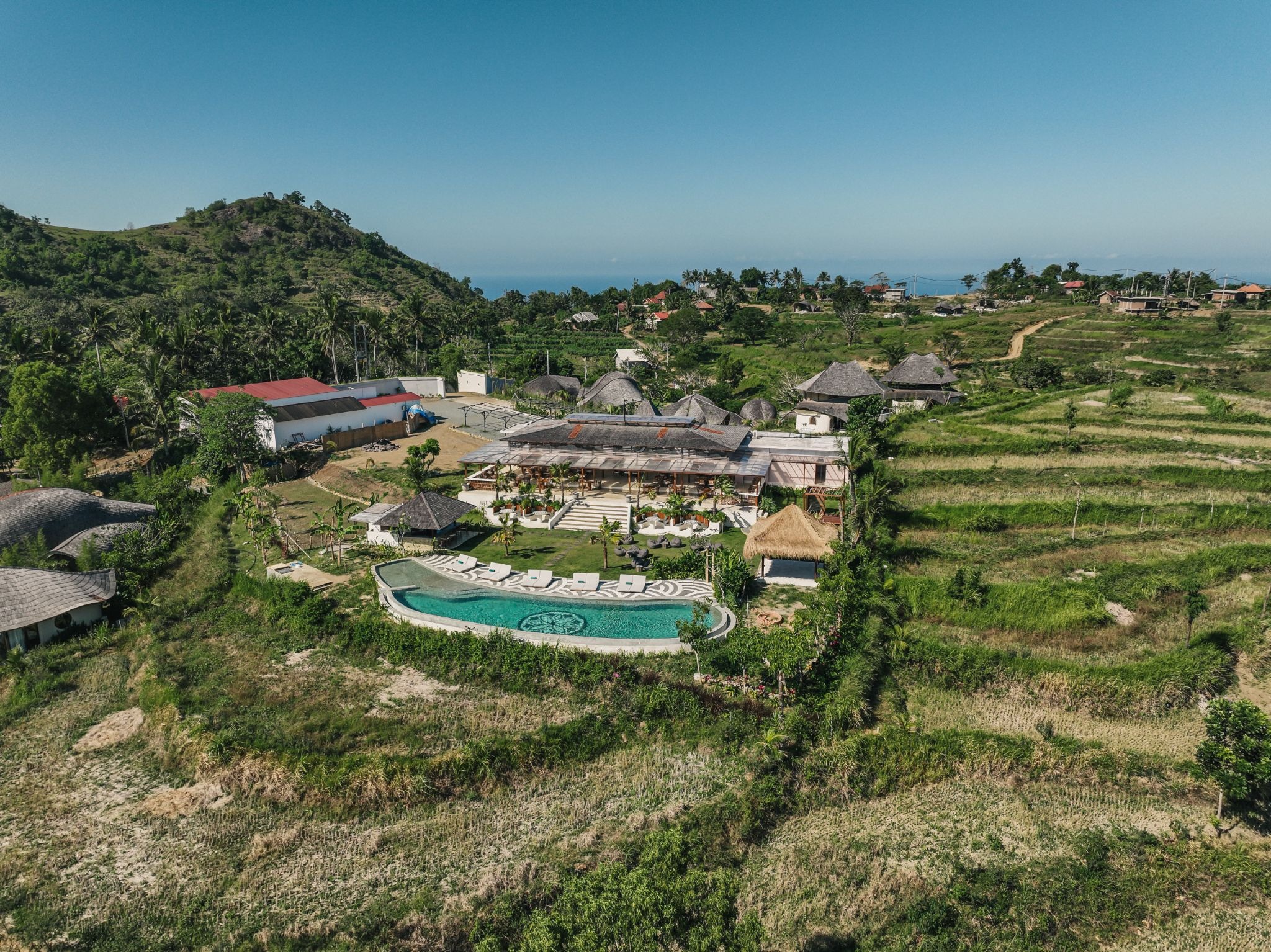
This thinking is visible in the architecture at Mandala.
The resort's approach is based around working with the landscape rather than forcing the landscape to accommodate the buildings. Mandala describes its development as following the natural contours of the land, while its wider philosophy combines sustainable construction, permaculture, community and responsible waste management.
One example is the use of bamboo.
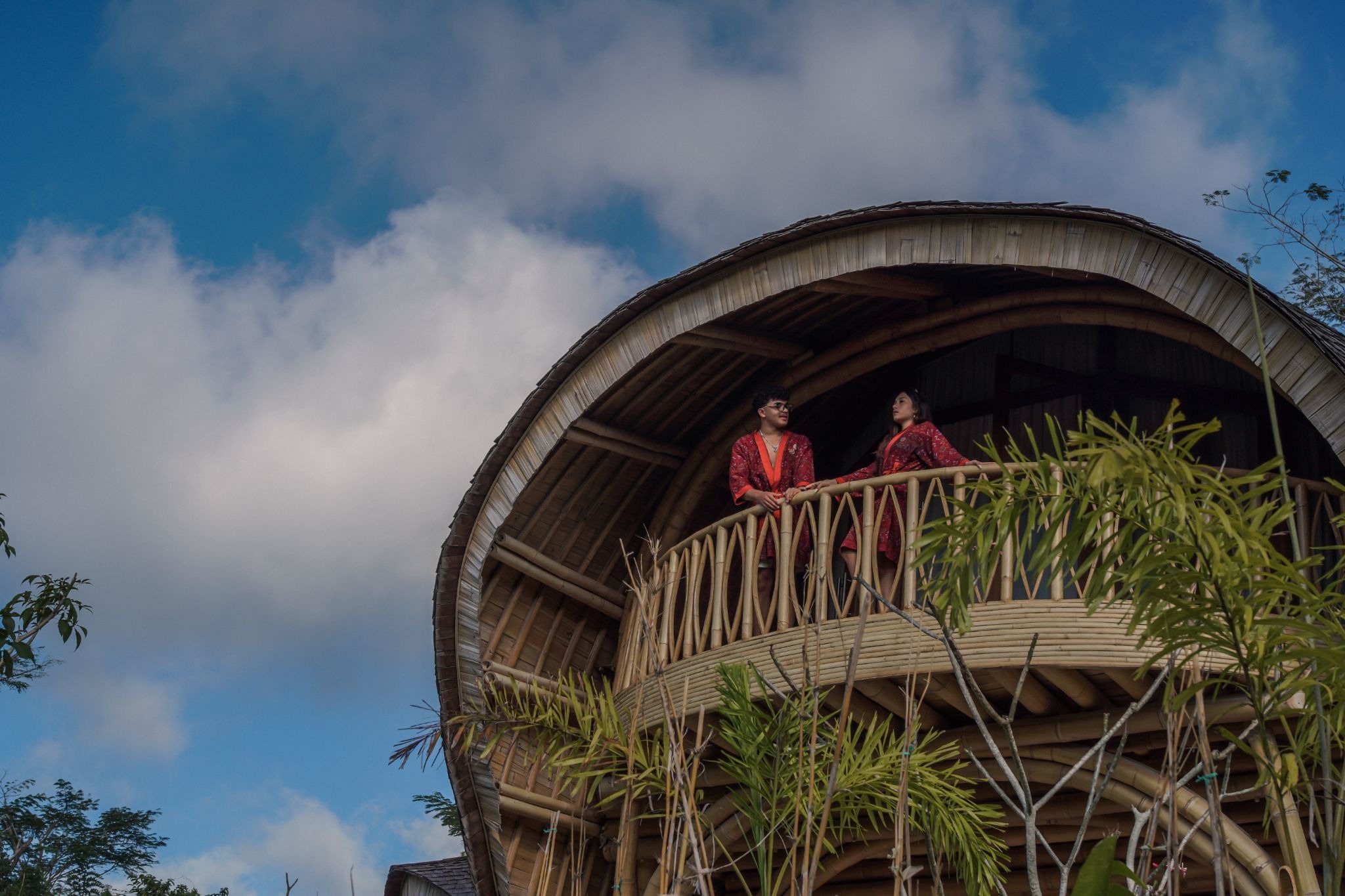
At Mandala, bamboo forms part of the structural language of the architecture rather than being used simply as decoration. The Cliff House, for example, uses bamboo for its structural framework and carpentry, with its curved form responding to the surrounding mountains and its orientation designed to capture ocean views and encourage natural ventilation.
This becomes particularly noticeable when the weather changes.
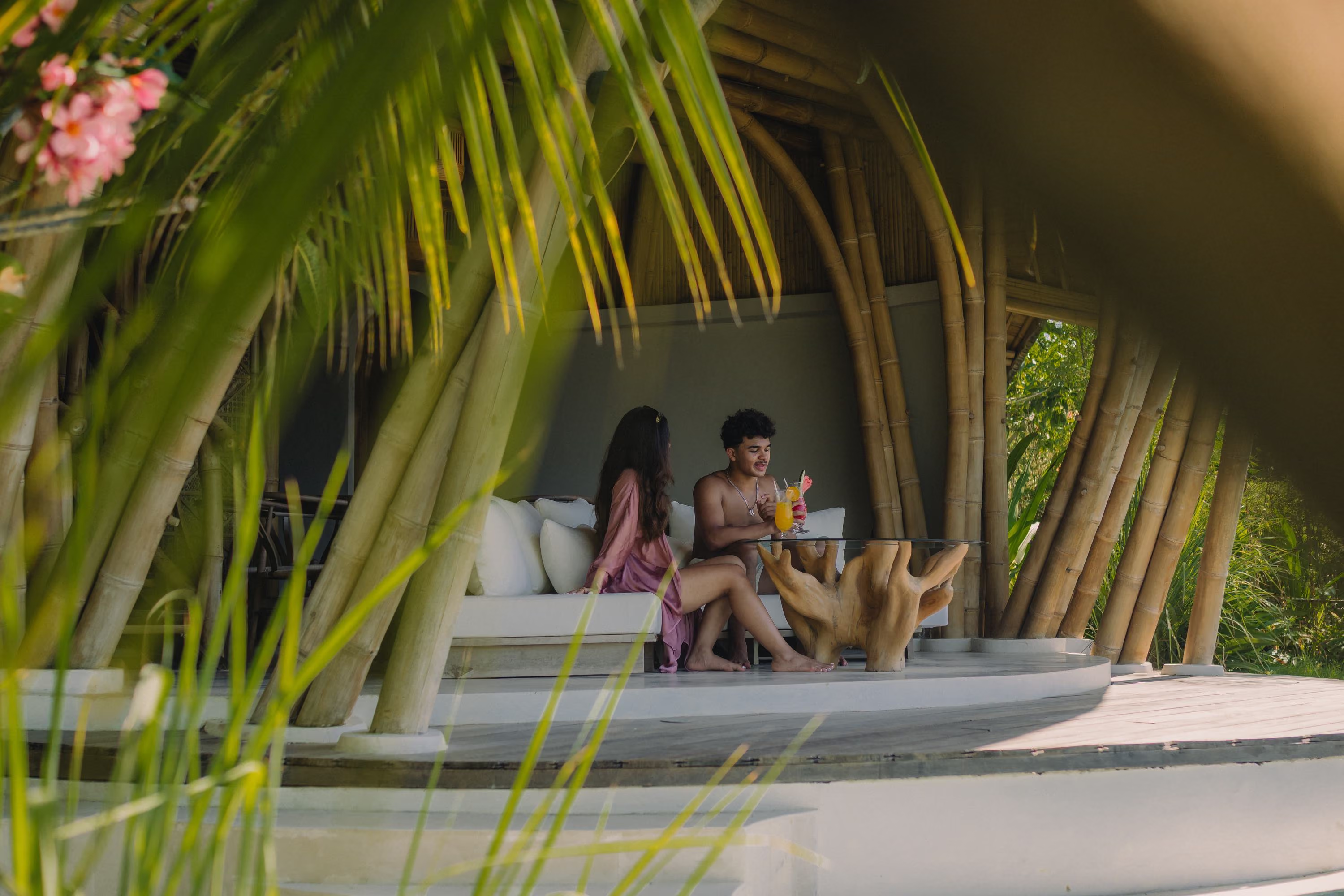
Open spaces allow breezes to move through. Deep roof forms provide shelter. Natural materials respond visually to changing light. Gardens and vegetation become part of the experience of the building rather than something separated from it.
In this sense, architecture becomes a way of understanding the seasons.
A well-designed tropical building does not need to pretend that rain, heat or wind do not exist. Instead, it creates places from which those conditions can be experienced comfortably.
The Landscape Is Part of the Experience
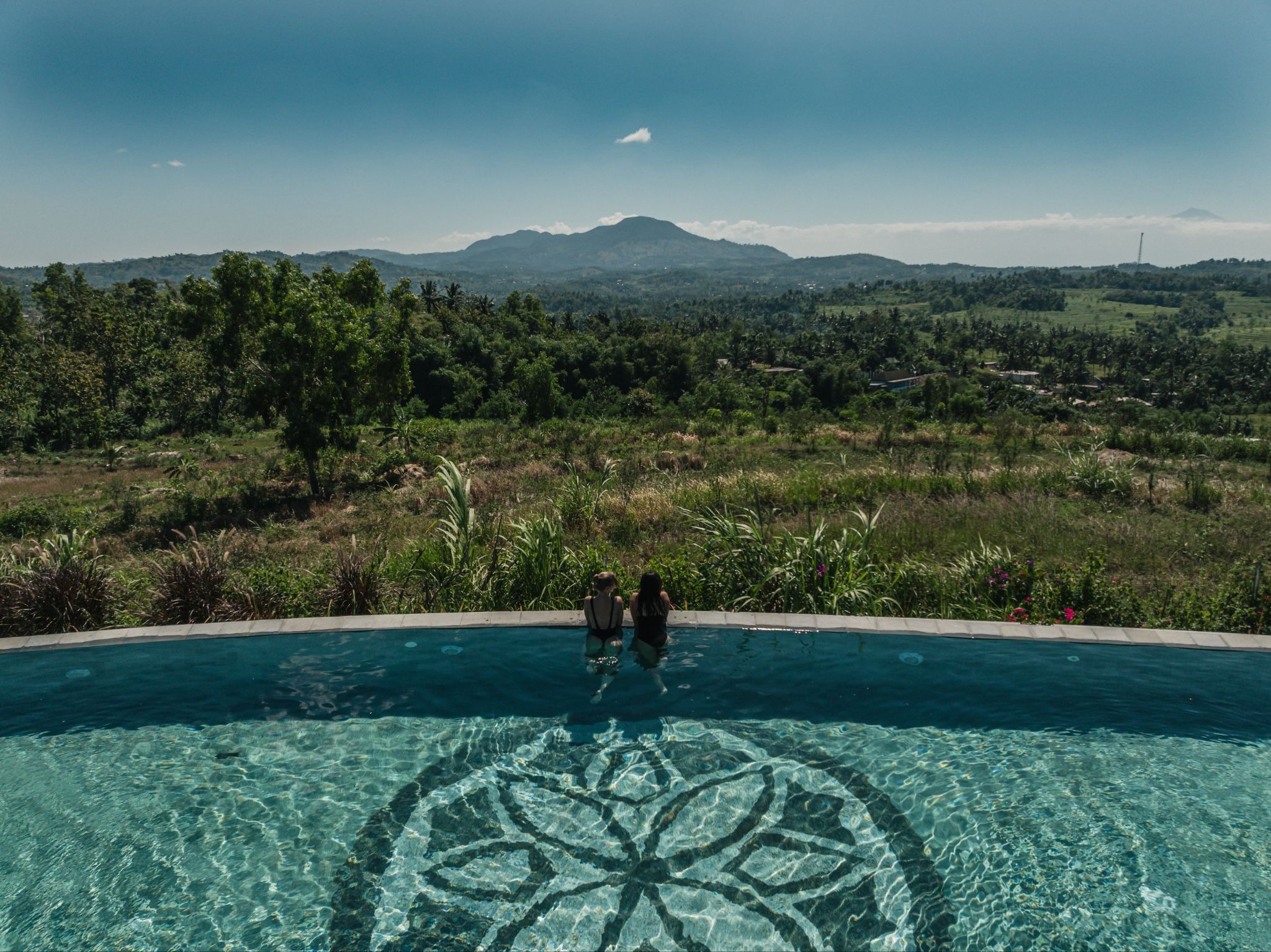
One of the quiet pleasures of visiting Lombok at different times of year is seeing the same place change.
A hillside visited in August may be golden and sparse. Return later in the year and it may be covered in green.
A garden can look restrained during the dry season and almost exuberant after several weeks of rain.
The sea can appear completely different depending on cloud, wind and light.
These changes encourage a different kind of travel—one based less on collecting destinations and more on noticing them.
This is particularly relevant in southern Lombok, where development is changing the relationship between tourism and the landscape. As more accommodation and infrastructure arrive, the question is no longer simply how to attract visitors, but how tourism can exist without erasing the qualities that made the island valuable in the first place.
Ecological approaches to resort design in the Kuta Mandalika area have increasingly focused on issues such as water catchment, vegetation, natural ventilation, environmentally conscious materials, renewable energy and waste management.
The seasonal landscape makes these considerations tangible.
Water is not an abstract sustainability issue during the rainy season. It is visibly present.
During the dry season, water scarcity becomes much easier to understand.
The contrast makes responsible design feel less like a concept and more like a practical necessity.
Choosing a Season Based on How You Want to Travel
Rather than asking, "What is the best month to visit Lombok?", a better question might be:
"What kind of Lombok do I want to experience?"
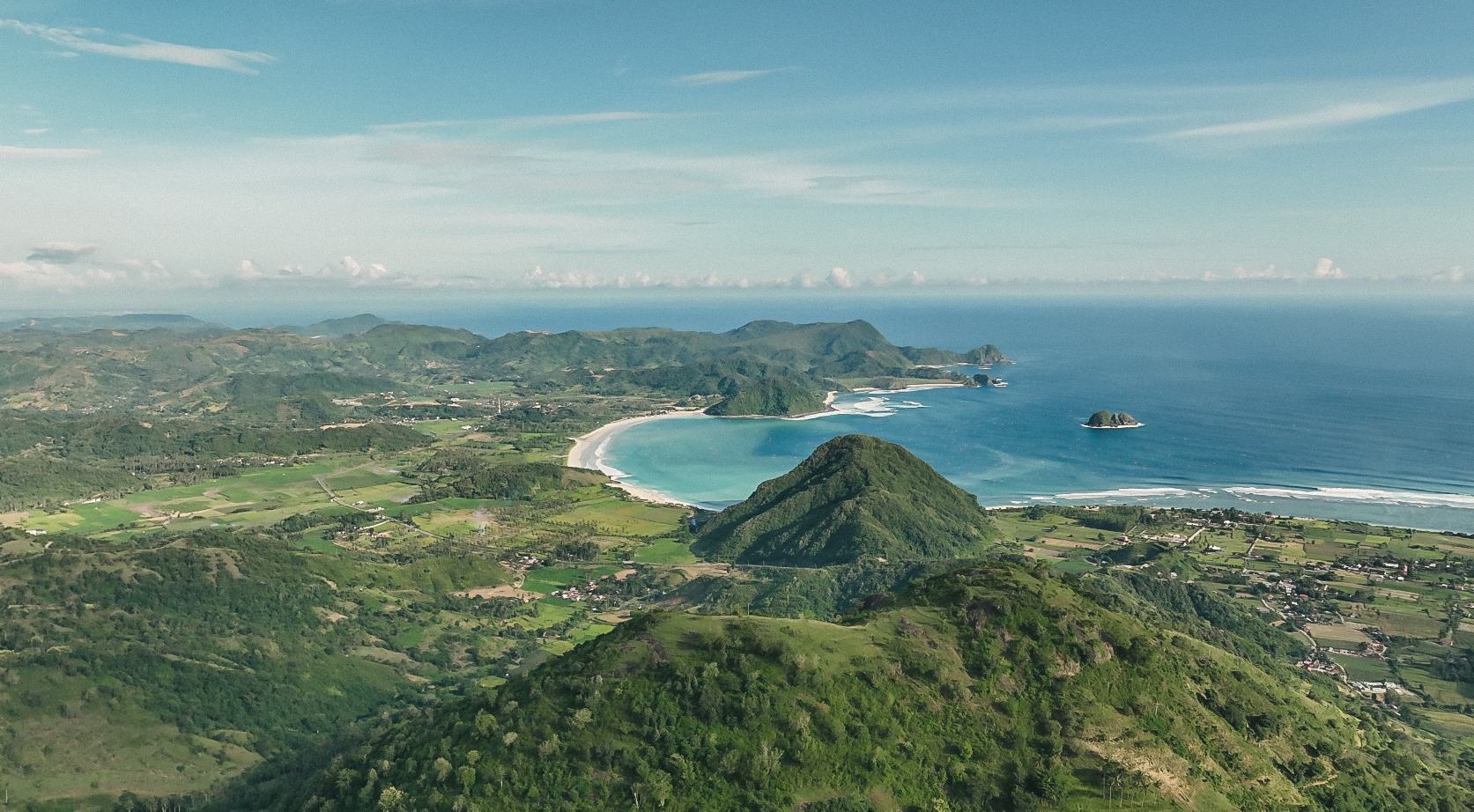
If you want long days outdoors, clear coastal views and dry landscapes, the dry season may suit you best.
If you are interested in greenery, rain, quieter moments and a more atmospheric landscape, the wet season offers something different.
If you prefer flexibility and enjoy watching a destination change from day to day, the transitional periods can be rewarding.
There is no universally perfect answer.
Even during the dry season, clouds can arrive. Even during the wet season, there can be beautiful stretches of sunshine. Weather remains local and variable, and forecasts are worth checking closer to your trip. BMKG's 2026 monitoring, for example, shows how quickly seasonal conditions can develop and change across NTB.
What matters is arriving with the right expectations.
Learning to Travel With the Island
Perhaps the most valuable reason to visit Lombok in different seasons is that it changes the way you see the island.
The first visit might be about beaches.
The second might be about landscapes.
The third might be about architecture, food, villages, craftsmanship or simply having enough time to notice what happens between destinations.
Each season adds another layer.
At Mandala, this idea of living according to a slower rhythm is central to the experience. Its philosophy brings together nature, sustainable living, community and hospitality, rather than treating them as separate ideas.
That approach feels particularly appropriate in Lombok because the island itself resists being reduced to one fixed image.
It is dry and green.
Quiet and changing.
Wild in some places, increasingly developed in others.
The value of travelling here is not necessarily finding the one perfect version of Lombok. It is learning to notice the different versions that already exist.
And sometimes, the most memorable part of a journey is not the day when everything went exactly as planned.
It is the afternoon when rain arrived unexpectedly, the clouds gathered over the hills, and you stayed a little longer.